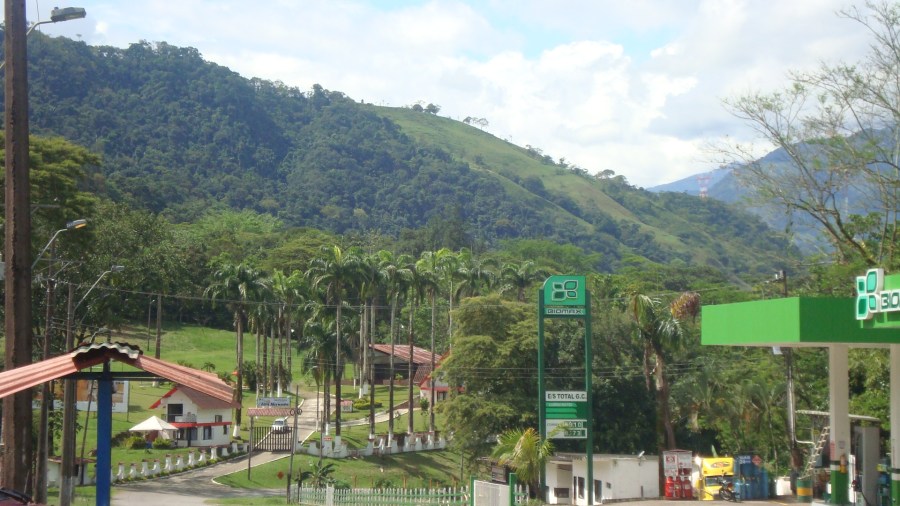
I was ready to walk out of the classroom, throw in the towel, and buy a plane ticket out of Colombia.
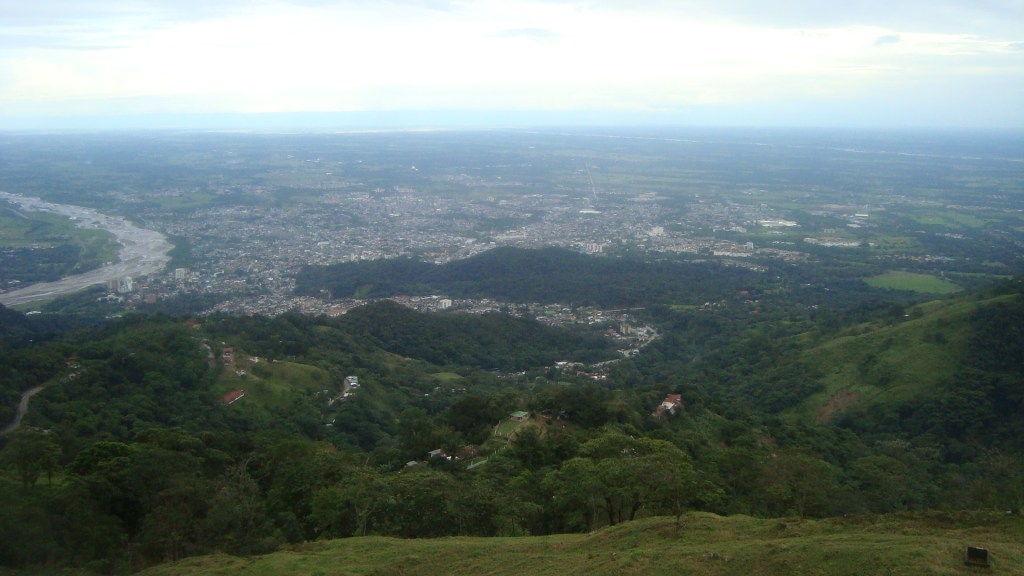
Picture this: Villavicencio, Colombia. 85 degrees, 100% humidity, and a classroom with no windows that’s the size of a closet.
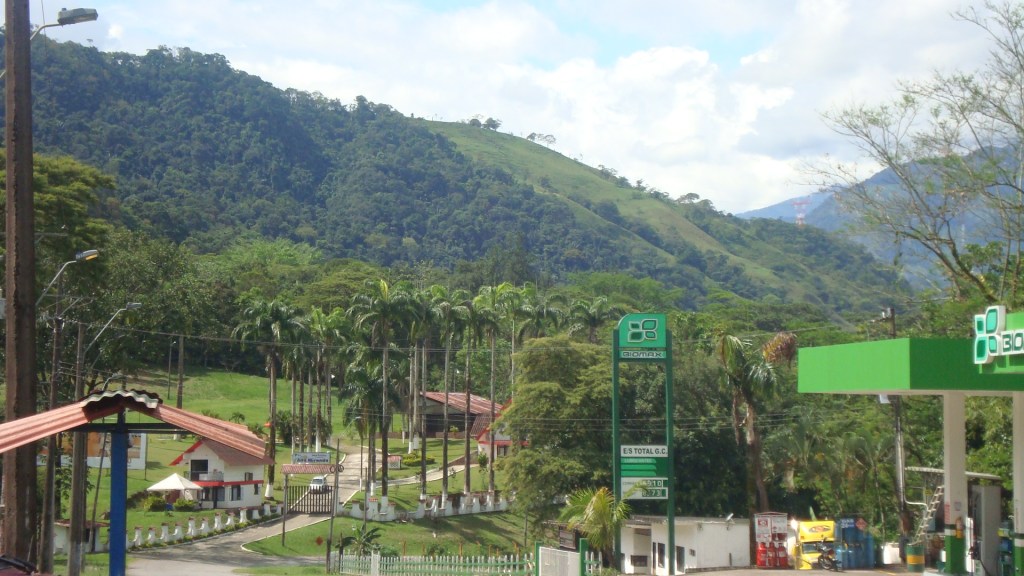
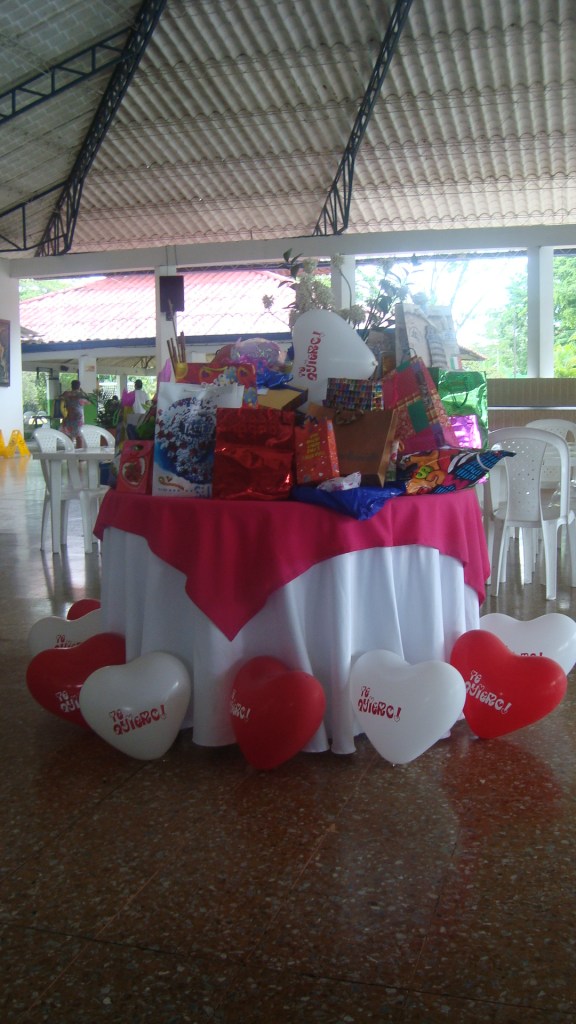
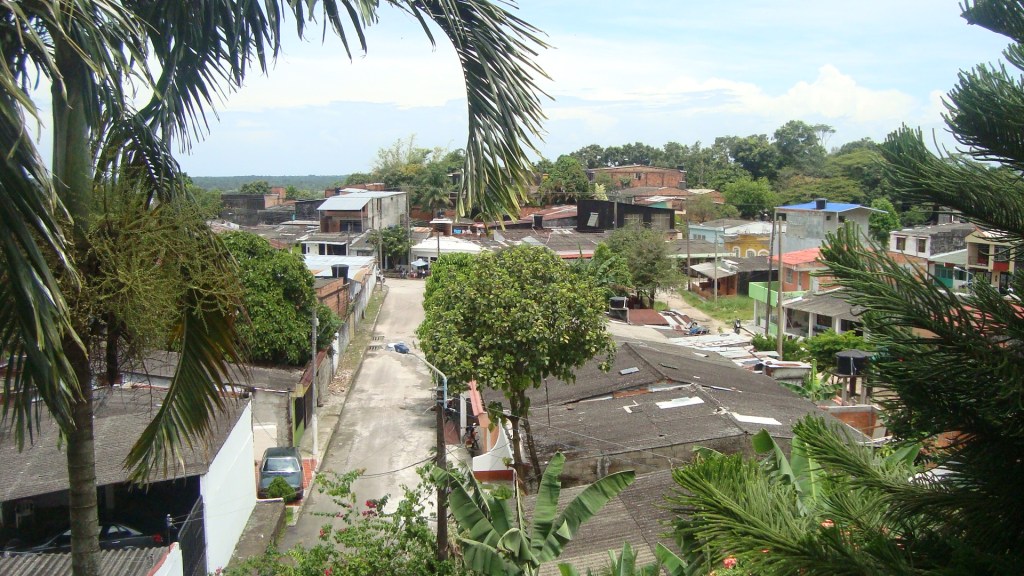
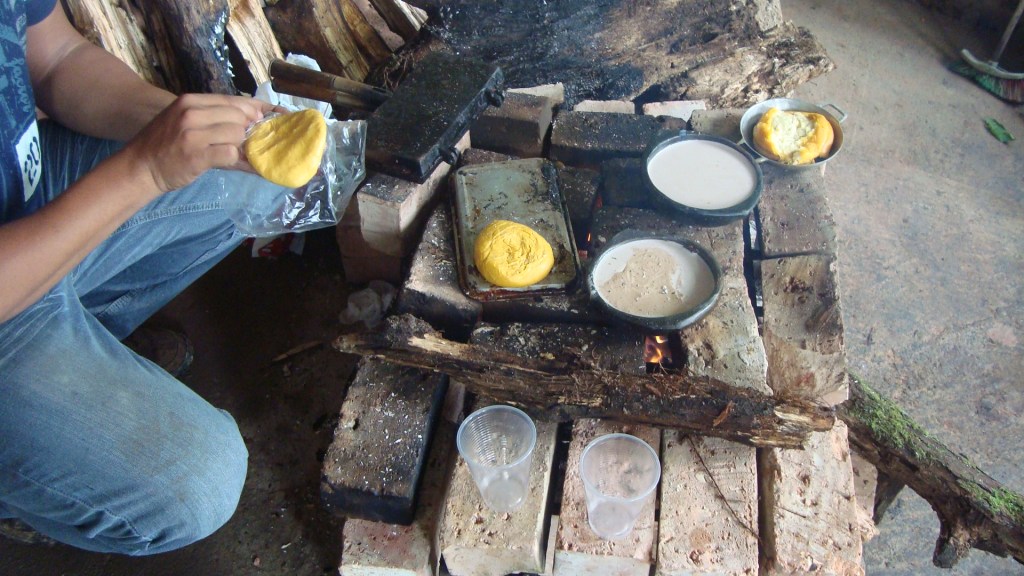
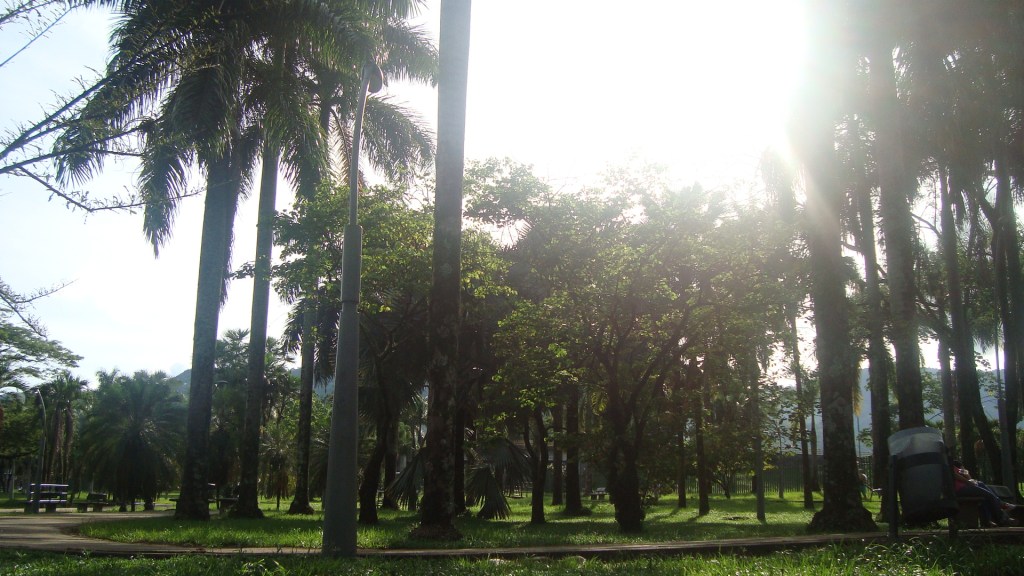
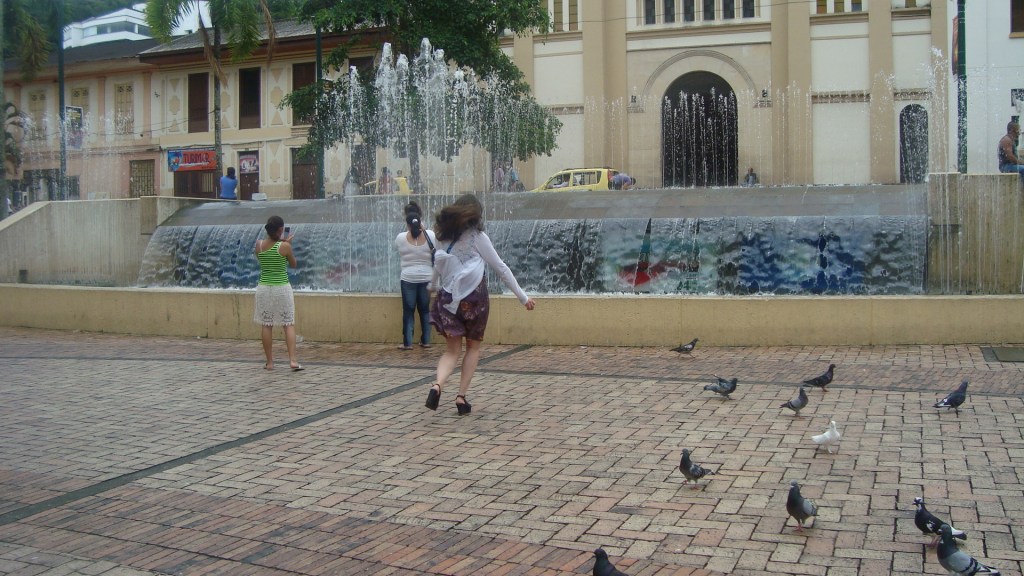
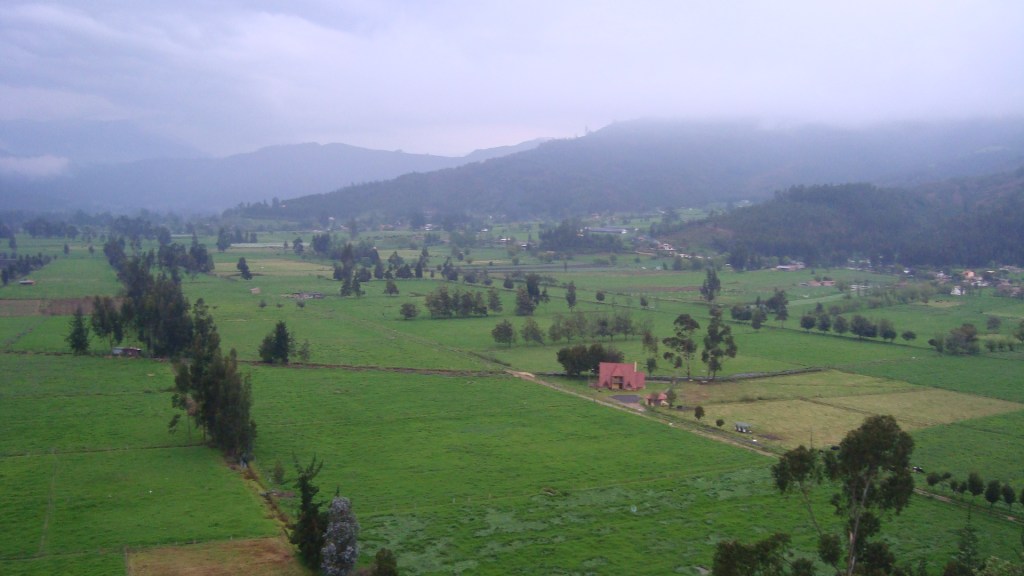
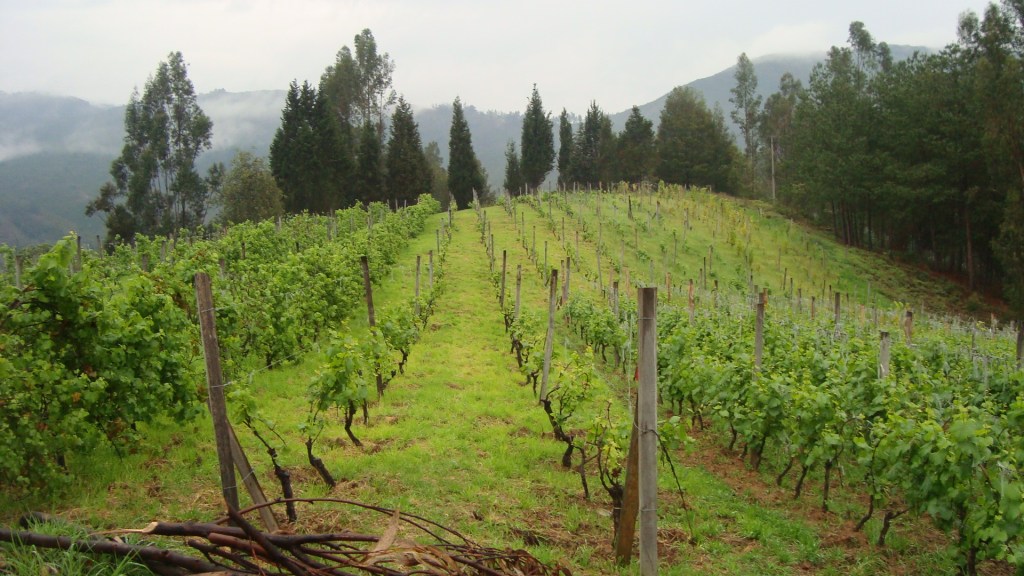
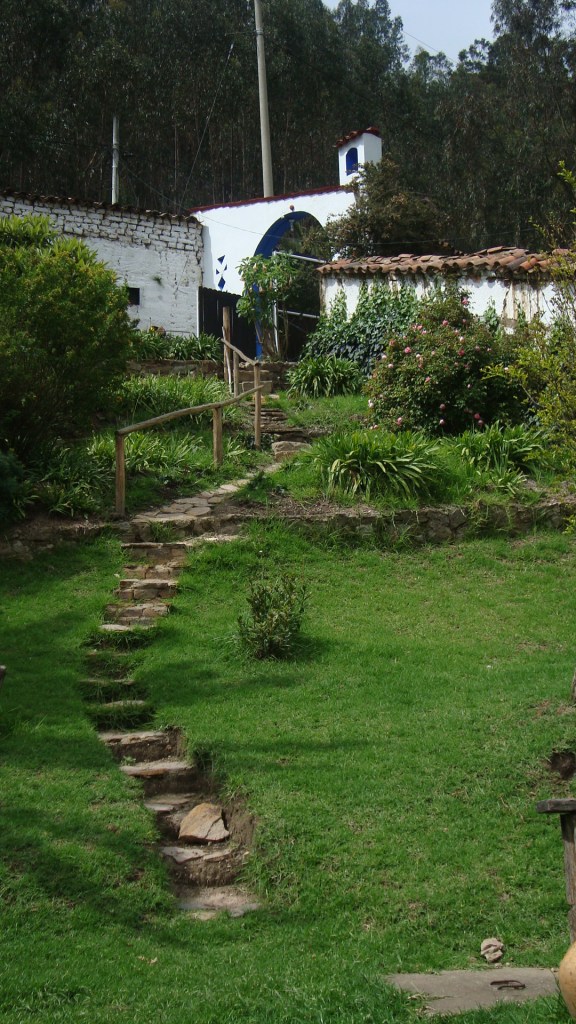
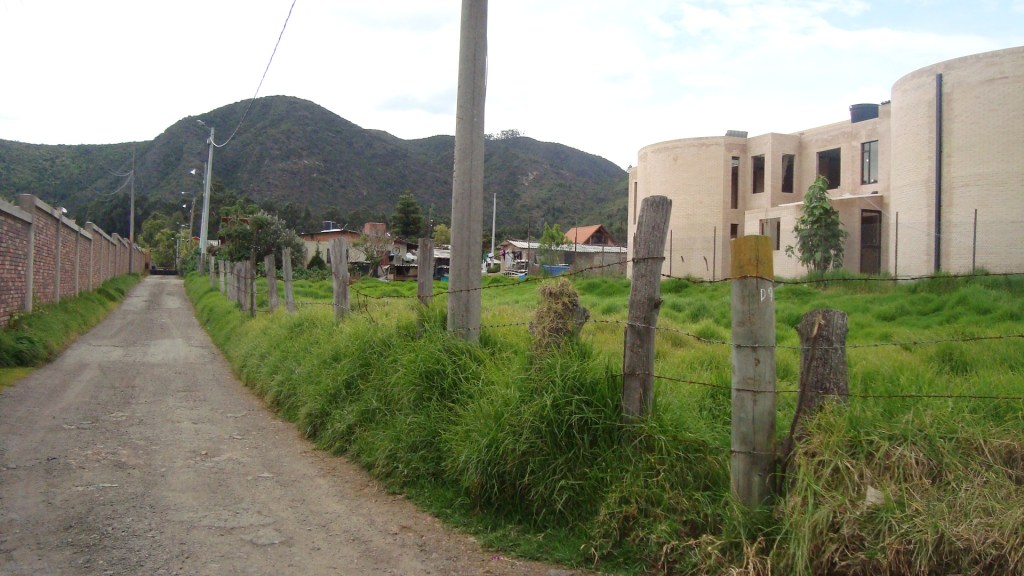
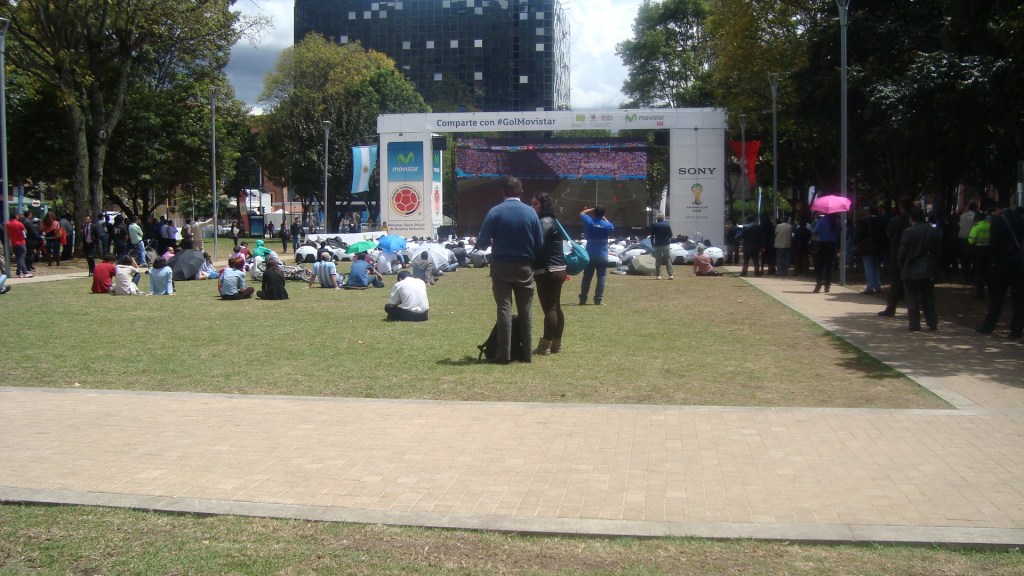
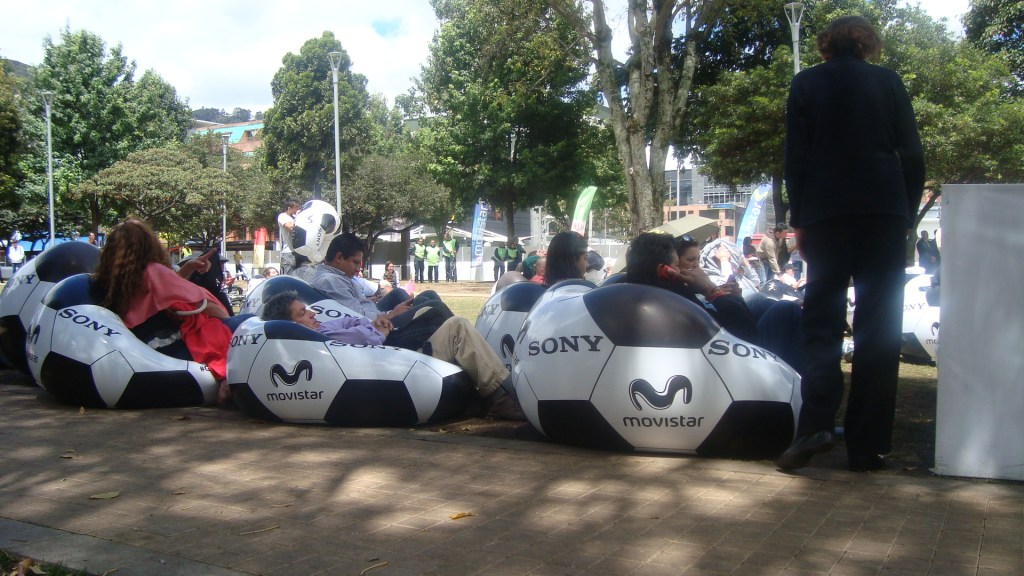
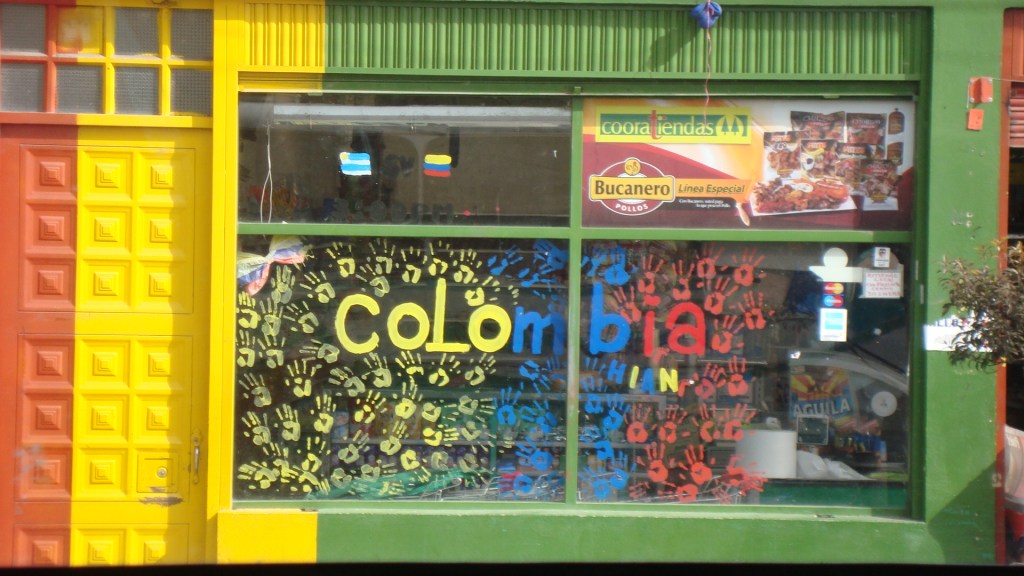
While I don’t have photos of said classroom, I do have photos of Villavicencio as a reference.
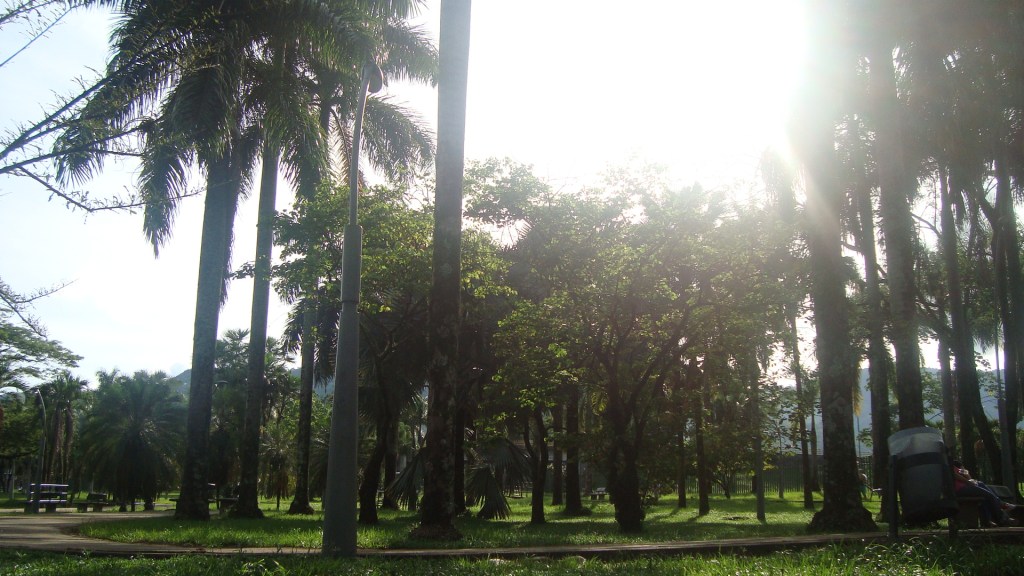
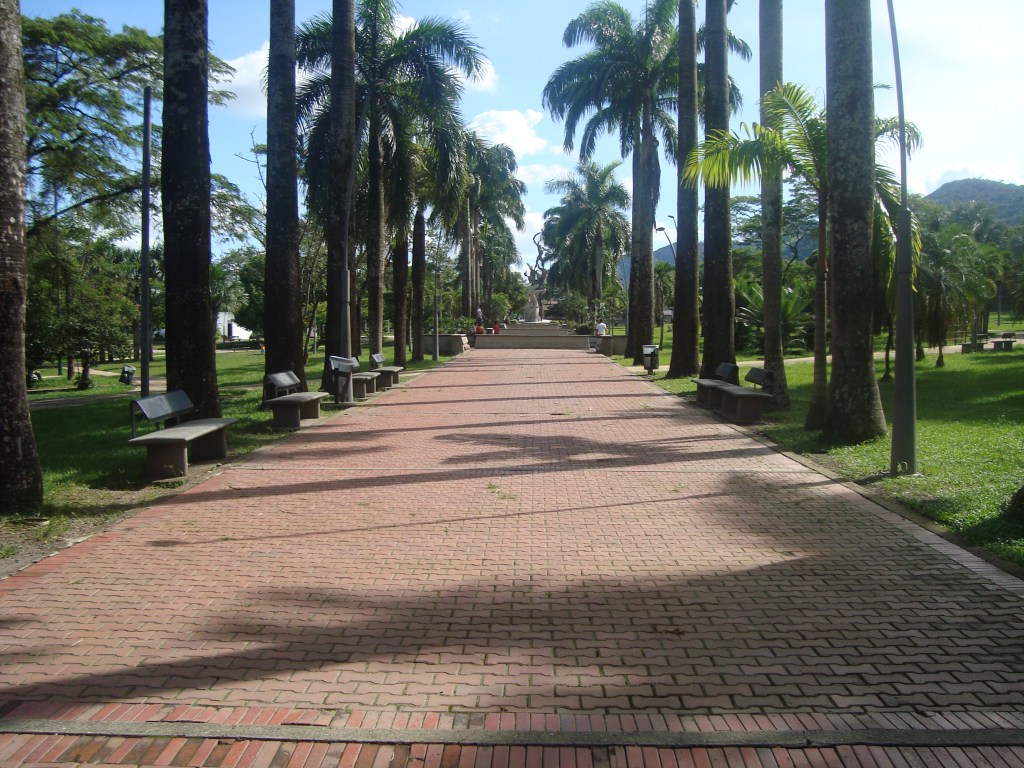
It was my first year teaching. And I wasn’t any teacher: I was a volunteer ready to change the world and redefine education as the world saw it. It didn’t matter that I was 24 and greener than the palm trees under the ruthless Colombian sun. I had a dream that I would be the best teacher in the world, like the ones who inspired me to become a teacher.
What no one tells you is that your first year teaching is going to be terrible.
Especially when you’re teaching a foreign language.
And even more when your first year of teaching is in a foreign country.

Why is your first year of teaching terrible? You have no idea what you’re doing, and everything you thought you knew about teaching isn’t going to help you.
Most of the volunteers in my cohort were sent to primary schools in Cartagena. My fellow volunteer and I were placed in a university in Villavicencio, Colombia, a city that the United States Embassy warned us not to go to.
And while the rest of our cohort were teaching assistants, my fellow volunteer and I were lead teachers. We had two weeks to learn how to do the following:
- draft a syllabus
- plan a whole semester’s classes and homework
- use the online learning management system
- write exams
- understand the trimester system
- learn the Colombian grading system – just kidding; we didn’t even learn about that until the second trimester
Don’t get me wrong; we had a lot of fun those first few weeks as well. Our colleagues took us under our wing, and we had full social calendars from day one. And our colleagues did their best to teach us all the aforementioned while taking care of their own work.
But still. This was a lot for two new foreign teachers, one of whom was still learning Spanish. Even my own Spanish, while conversational, was a bit rusty.
This leads me to my next point: all the learning theories you studied will be rendered useless at some point.
Theory won’t help you when a student emails you on the day of the final exam saying that they’re in the hospital.
Theory won’t help you when technology fails you again and again and again.
Theory won’t help you when you plan a lesson that looks good on paper, but falls apart in real life.
And theory won’t help you when cultural and language barriers get in the way – and best believe they will at some point.
Without further adieu, here’s the day I almost quit teaching.
Let’s go back to the classroom that was so small and windowless I called it “The Closet.” My students had requested a lesson using typical music from the United States. Great, I’ll use country music, I thought. I wasn’t a fan, but you can’t get more gringo than country music. I was sure they’d love it.
They would have loved it had the speakers been working. The projector was working, thankfully. Until it wasn’t. And then the activity I had meticulously designed was rendered useless. The students couldn’t hear the country music song, or see the lyrics on the screen.
Looking back now, this sounds so miniscule. But I was a new teacher. I didn’t have back-up activities because I didn’t have enough experience. I stood in front of my students like a deer about to get hit by a car.
“What’s the name of the song?” a student asked.
I told them the name. I don’t even remember the song at this point.

The students then got out headphones from their backpacks and plugged it into the desktop. They then proceeded to search for the song on YouTube and listen to it that way. No one even gave me a second glance, as if teachers dealing with technical issues and on the verge of a nervous breakdown in a classroom so hot you could fry an egg on a CPU, was the most natural thing in the world.
We never got to do the activity I’d planned.
When class time finished, students walked out. I went to the back of the room. I felt like a failure: I’d dreamed of so long of being a teacher, and I was failing miserably. These were people who were spending money on their careers, and I doing them a disservice. I wanted to jump on a plane and never return to Colombia again. But where would I even go . . . ?
“Hi, teacher?”
I looked up and saw three students, all girls, standing in front of me smiling.
“We just want to say that we really like your classes!” one of them said.
I stared at them, shocked. “Why…?” I asked trepidly.
“Because you combine journalism with English!” another girl said. “No teacher has ever done that before.”
I blinked. Why not? I wondered. For context, in the United States, students of any study path can often attend any class. You may have political science majors in Spanish classes, or computer science majors in a literature class. When I found out that the students all studied journalism, I was relieved. How convenient! It made sense to research journalism activities to use with English. I rather would have done that then a bunch of grammar exercises.
That being said, I wondered how effective these activities were. Students appeared challenged – more than I’d anticipated.
But maybe they were challenged because they weren’t used to using English and journalism.
Or they’d never had a native speaker as a teacher before.
I hadn’t thought of the fact that, maybe, they liked being challenged.
Two of the girls had to leave, but one stayed and talked to me for an hour about how much she enjoyed learning English. She talked to me about why she studied journalism and how passionate she was about telling stories.
It was one of those conversations teachers dream of having with a student: hearing about their dreams, and realizing that you are contributing toward them.
When the student left, I still felt like a terrible teacher.
I still knew that I needed to make my classes better.
But for the first time since I started teaching, I had hope that things would get better.
And maybe, just maybe, I wasn’t a failure.
Maybe I was onto something.
Flash forward three and a half years later. I taught thousands of students in two universities.
Then in Spain. Then online. And in Colombia, I started teacher training, even though I was still a new teacher.
Teaching has never been easy. Every school, every class has been a new challenge. Like Taylor Swift’s song mirrorball, “I’ve never been a natural; all I do is try, try, try.” But over the years, I have learned how to improve my teaching techniques.
To any new teachers out there who feel like they’re on the verge of quitting, or who question if they made the right choice, here’s what I have to say to you.
Maybe you did make the right choice.
Maybe you didn’t.
I don’t know you.
But I do know that, if you’re putting your whole heart into something…
If you’re staying up until midnight cutting little papers for your vocabulary activities…
If you’re spending your free time searching for new ideas, reading books, and talking to teachers about what’s working for them…
Then maybe, just maybe, you’re onto something.
Teaching is hard. It’s really, really hard, and really, really exhausting.
But if you’re putting in so much effort, even if your lesson plans are falling apart, you can at least rest assured knowing that your heart is in the right place.
Teaching may get easier. Or it may not. But you will get better. And your students will recognize a teacher who puts in the effort, even if they never say anything.
Give yourself a break, especially if you’re a new teacher and are teaching in a foreign country.
To end this post on a happy note:
That one student? She became my colleague a few years later. And now, she’s also a teacher. Maybe I had something to do with it. Maybe not. But at least I got to support her on her journey.
And I think that’s what we–not just as teachers, but as humans–are lucky enough to experience.


It’s amazing how a few kind words from students can change everything. Your passion for teaching really shines through, and it’s wonderful to see how that challenging day became such an important turning point in your journey.
LikeLike