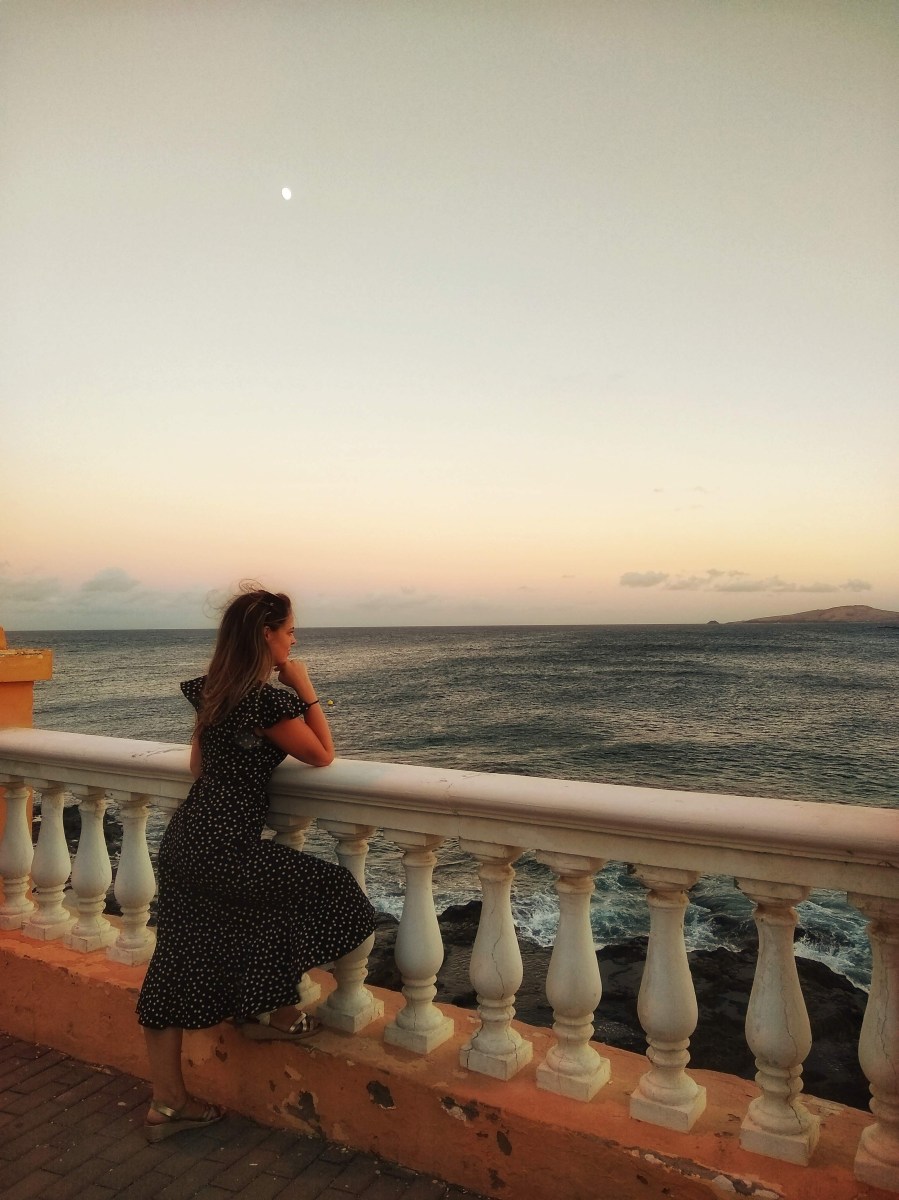
Two years ago, I bought a one-way ticket to Gran Canaria.
I didn’t have any friends there. I didn’t know where I would live. I didn’t know anything about Gran Canaria. In fact, up until a few months prior, I hadn’t had any interest in visiting the Canary Islands at all.
And yet here I was, about to move to one of them.


Why Gran Canaria? I had nothing to lose. I’d just weathered a season of solitude, and had finished my first year of student teaching at a primary school.
It was rewarding.
And it was so hard.
It was rewarding because I got to help students have fun and enjoy learning in a time filled with uncertainty.
And it was hard because I felt like I had to relearn how to teach, after years of teaching university students and working professionals.
And unlike my first year teaching many years ago, I didn’t have a group of friends nearby to talk to. I spent Christmas and New Year’s all by myself.
It was one of the best and most painful years of my life in regards to personal growth.

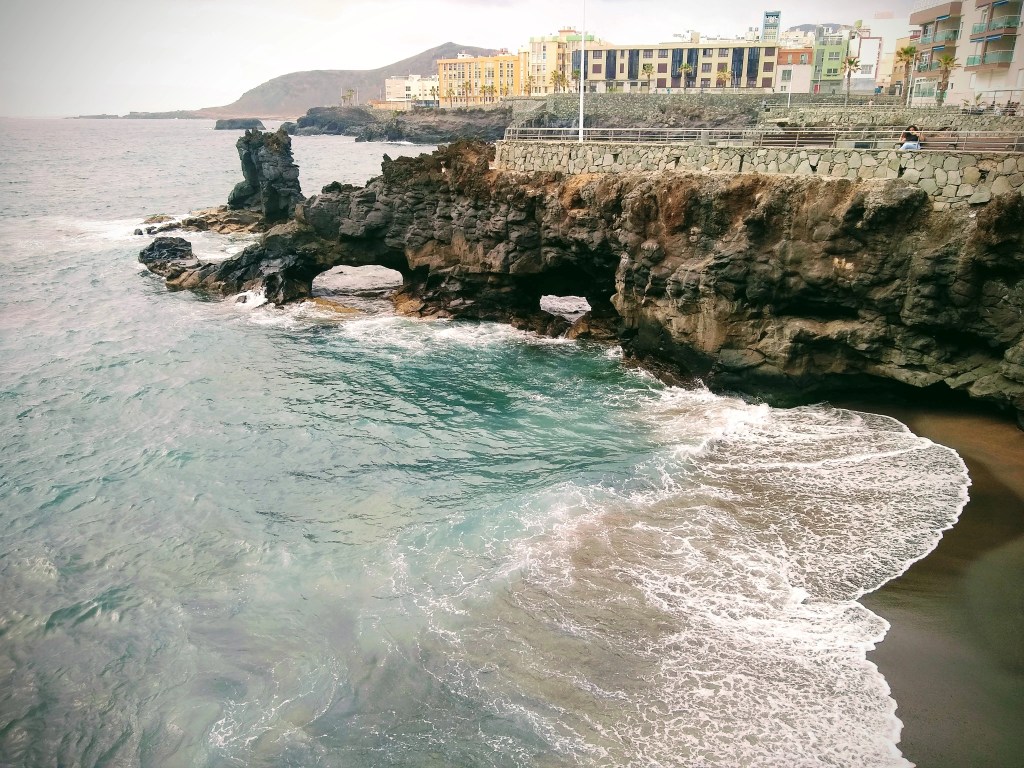
I loved Madrid, but I needed a change.
Something in my heart told me that I should go to the water to heal. When I was offered an opportunity in Gran Canaria, I took it. I didn’t have anyone waiting for me in Madrid. That meant I could go anywhere.
Two years ago, after a three-hour flight, my luggage and I arrived in Gran Canaria. Sometimes, all it takes is a three-hour flight to change your life.
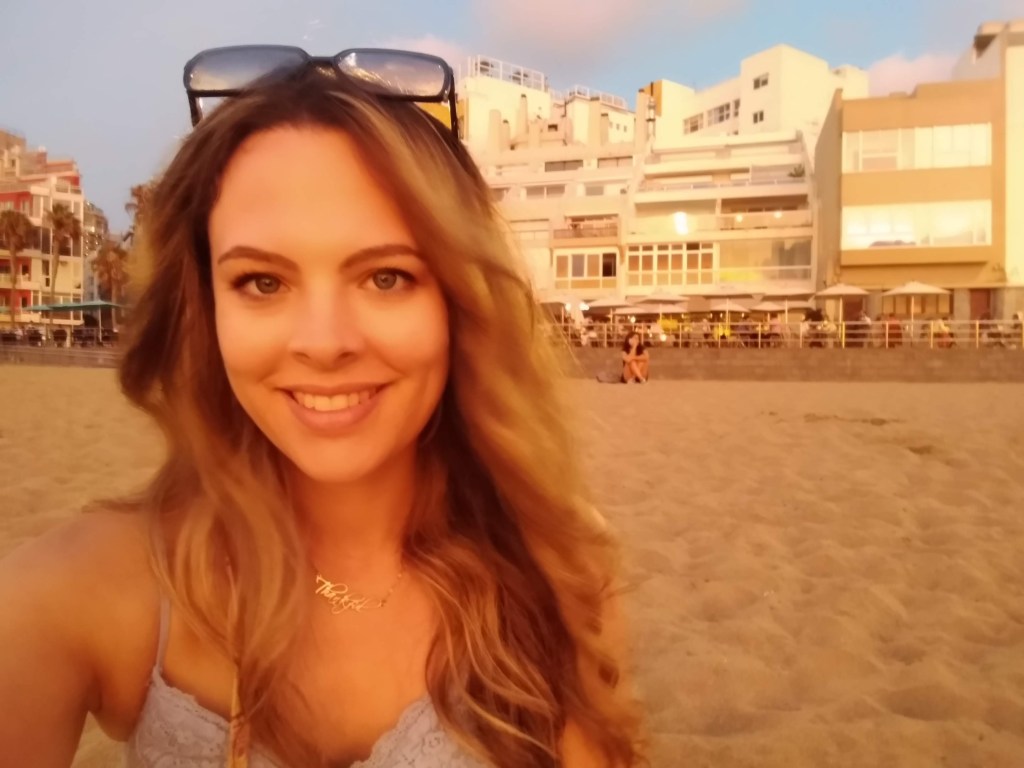


“It looks like Mars,” I thought as the plane landed.
Gran Canaria was a lot rockier than I had imagined. It was more of a desert island than a tropical island. But the moment I got to the beach, I knew I’d made the right decision.
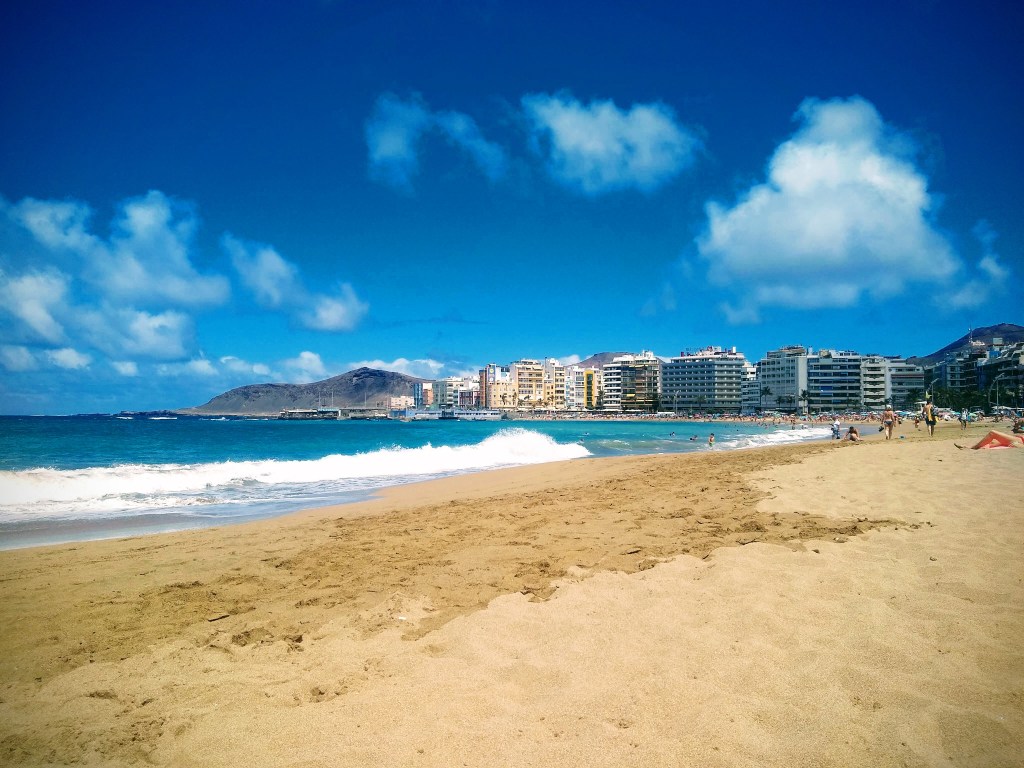
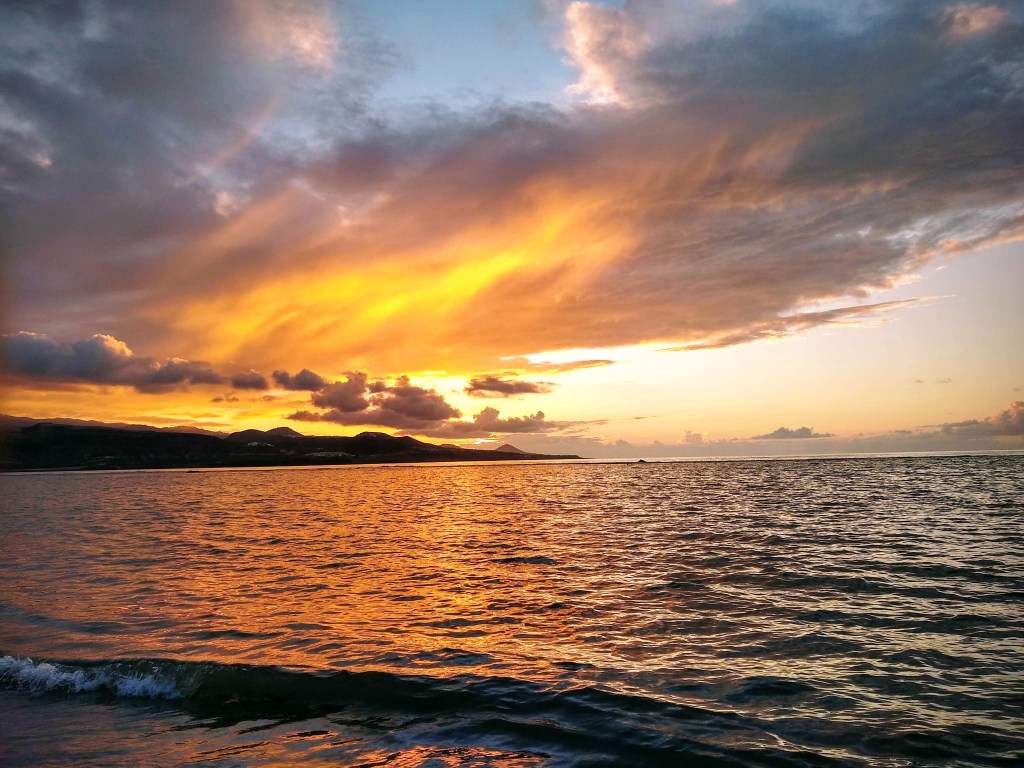


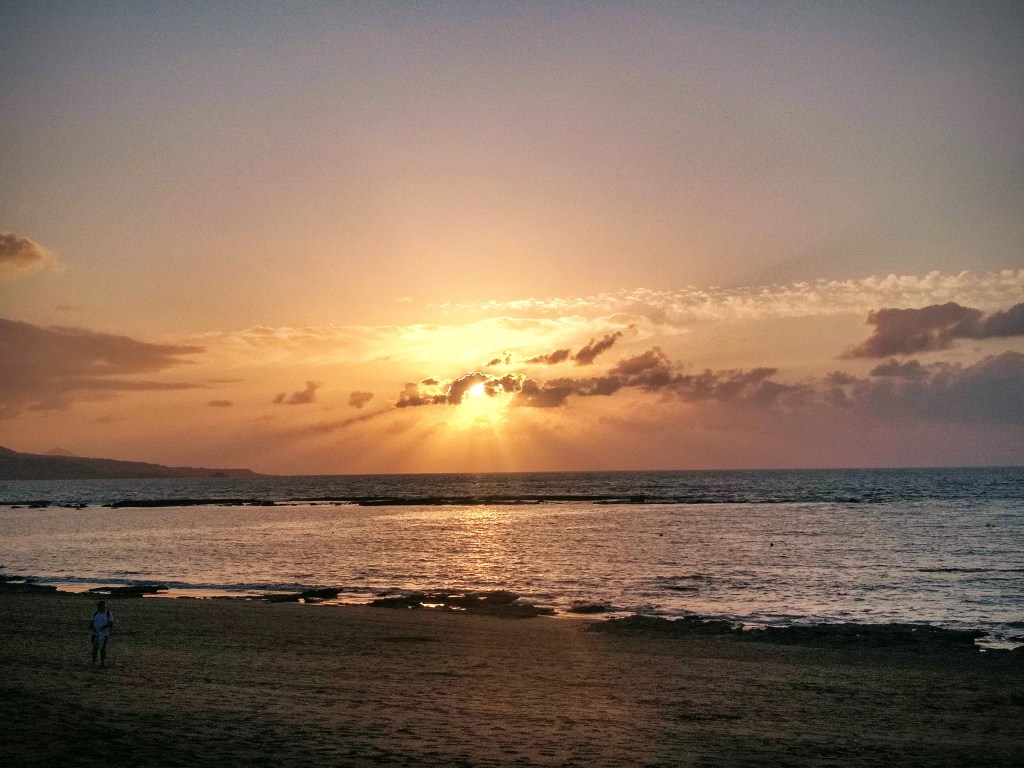

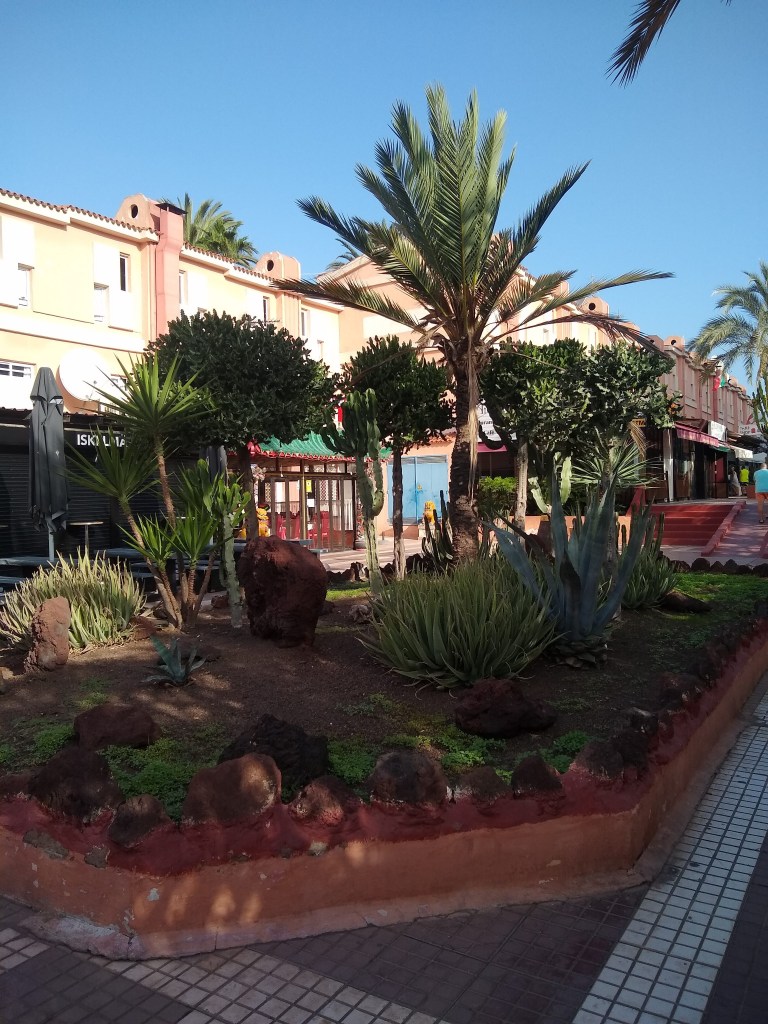
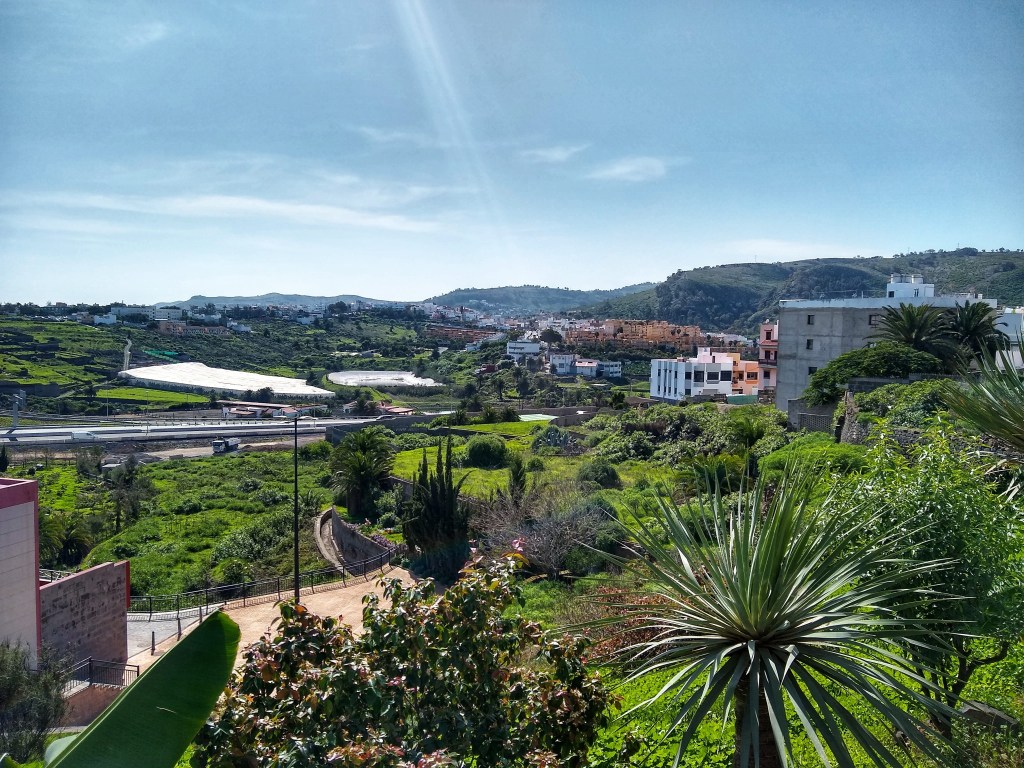
I lived four minutes walking distance from this beach for two years. I could open my window at any time, and see palm trees, the ocean, and the mountains. I traveled from the top to the bottom of Gran Canaria. I even got to visit Fuerteventura by ferry.
After two years, I can confirm that moving to an island and having a beach view every day will do wonders for your soul.
That being said, moving to the beach, or anywhere, won’t solve your problems alone. You still have to take action to make changes in your life. And here are some actions I took over these past two years, and the changes that occurred in my life.
1. Everyone should live alone at least once in their lives.
Living alone was one of my goals in the Canary Islands. I’d never lived alone in my life: I lived with my parents in the United States, and I’d lived with host families or roommates abroad.
I always thought living with people was good for me, as I’m an introvert. Living with people would force me to interact with others.
And for that season in my life, it was great. My roommates and I became close friends. We’d cook together, celebrate Christmas together, explored Madrid together, and talk all night long.
But when lockdown happened, my roommates left. And I didn’t feel the same connection with my new roommates.
Despite living with other people, I felt lonely and frustrated. I wanted to have my home be my sanctuary.
I came across this video that talked about Annie, a life coach who manifested her dream apartment in two years. I watched a lot of videos on manifestation during this time.
And I thought, why can’t I manifest my own dream apartment in the Canary Islands?
It would cost me; my own place would be much more expensive than renting a room. But I figured, if I’m not able to travel, why not splurge on a nice apartment, just for me, at least once in my life?
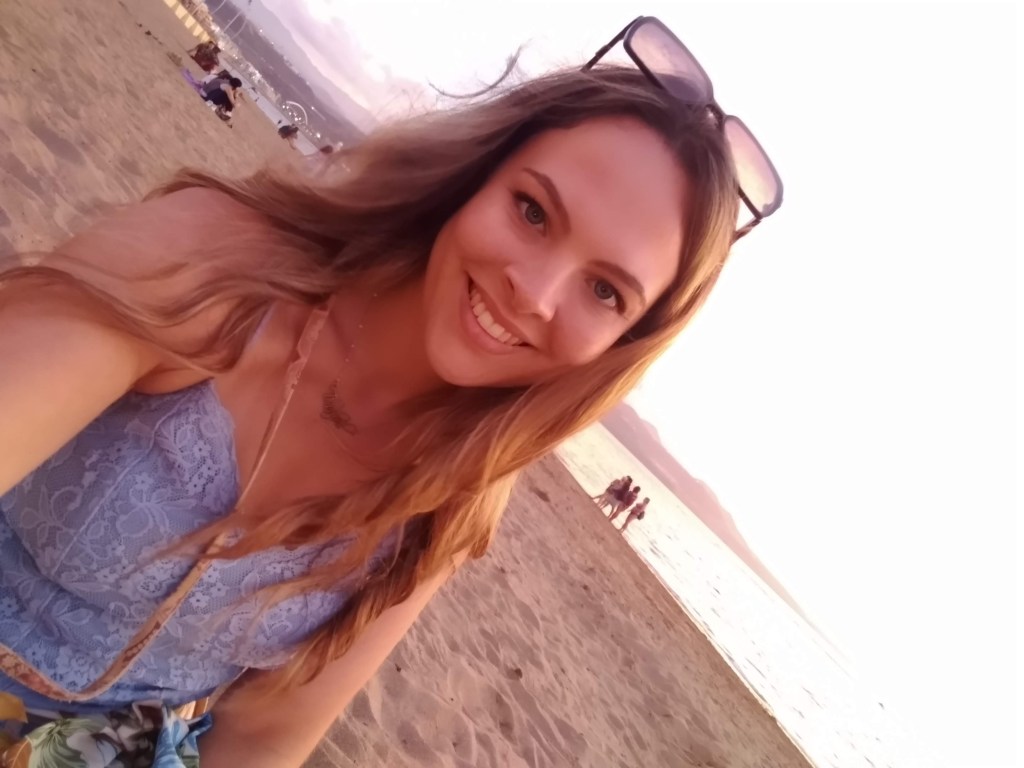

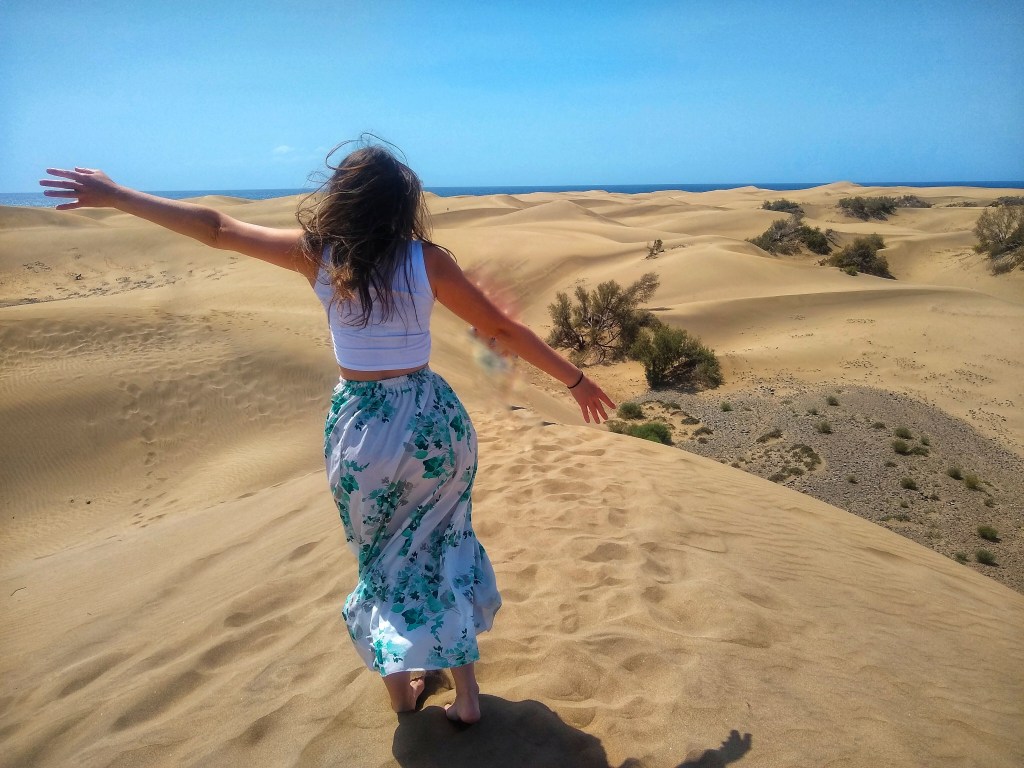
For two years, I lived in an apartment within walking distance from the beach. I could see the ocean, mountains, and palm trees from my window. The first time I walked in with my own keys, touching the counter tops, the closet doors, I couldn’t stop laughing, wondering, “How in the world did this happen?”
Living on my own boosted my confidence like no other. It taught me to be self-reliant. It increased my self-respect. I felt so proud of myself for having a sanctuary of my own – and with a beach view! And this confidence spilled over other parts of my life.
If you’ve never lived alone, I recommend you do at least once, even if it’s for a few months. Living alone and learning how to be self-reliant will change your life.
2. Be proactive when making friends (especially as an adult).
Making friends as an adult is hard. Everyone knows this. But are most adults proactive about making friends?
I wasn’t. Before the pandemic, I didn’t need to try to make friends while living abroad. Arriving to a foreign country with an organization makes it much easier to make friends; they’re literally right there.
Even when I went to Villavicencio with one other North American teacher, I never felt alone. Our colleagues and host families integrated us into the community right away.
And even when I traveled alone, it was easy to make friends in a hostel. All I had to do was say my name, where I’m from, start a conversation, and the next thing you know, I’ve been invited to join a road trip with two members of a bagpipe band to a small German-influenced town in central Argentina. (True story.) Or I’ve joined a group of French travelers to a hot springs park in the Colombian countryside. (Also a true story.)
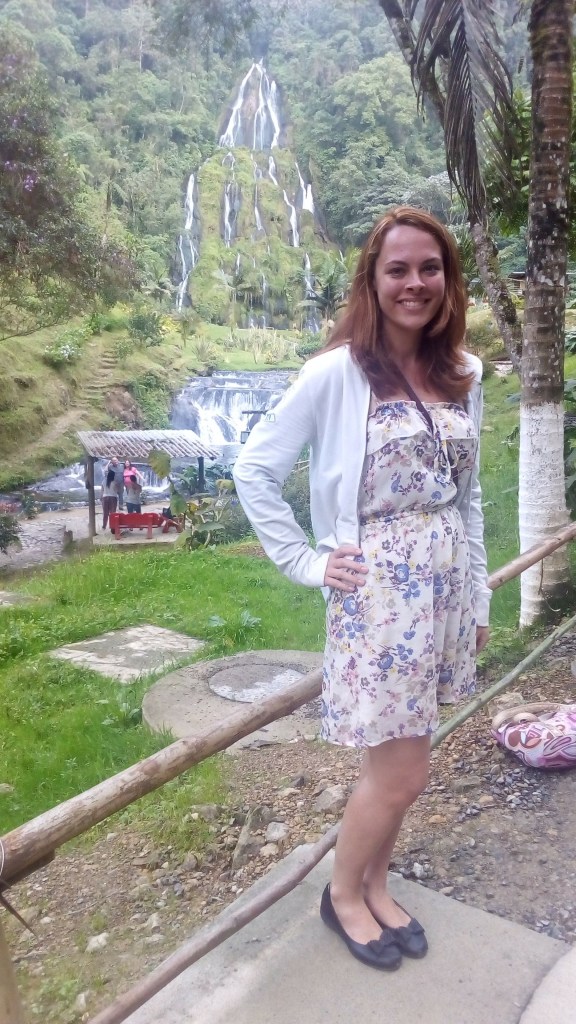
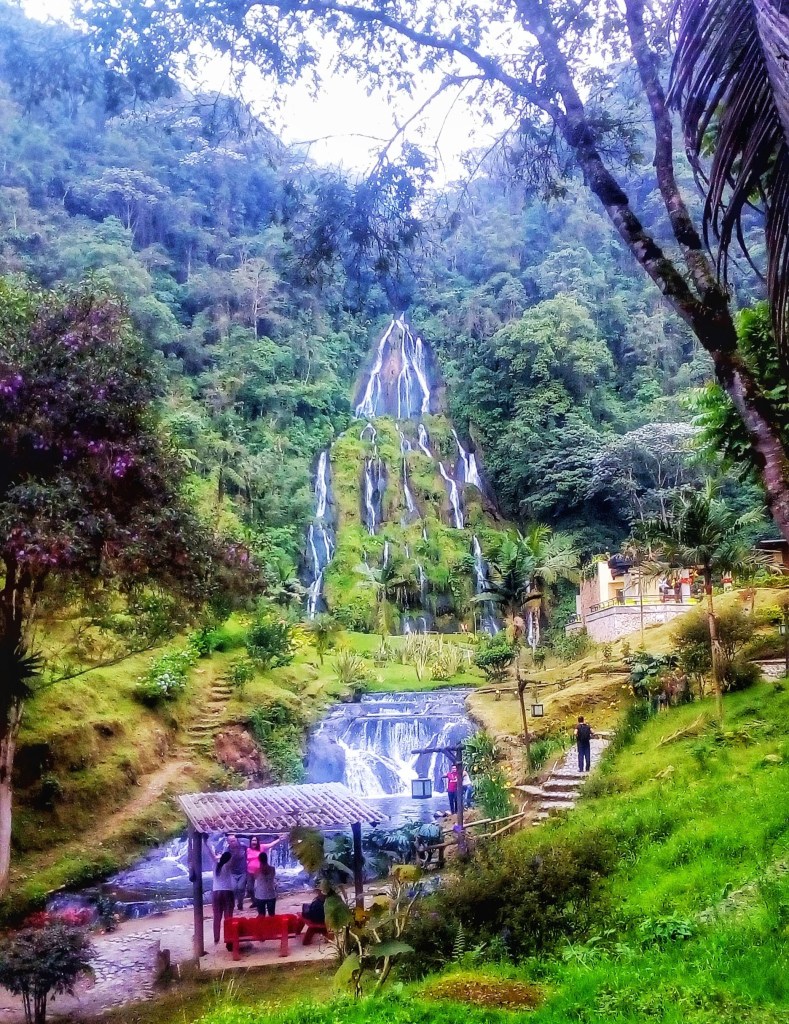
After lockdown, I had no friends left in the country. But I wasn’t worried. I was sure I’d easily make friends again. It can’t be that hard, I assumed. All I had to do was walk in a room, and ta-da! I’d make new friends.
So, making friends was not as easy as ta-da, I’m here. I realized that I’d have to actively seek out groups to hang out with. I reached out to a hiking group, a spirituality group, and a group of girls who lived in my neighborhood. We were all set to hang out.
But then…what do you think happened? No, not lockdown, but restrictions on mobility.
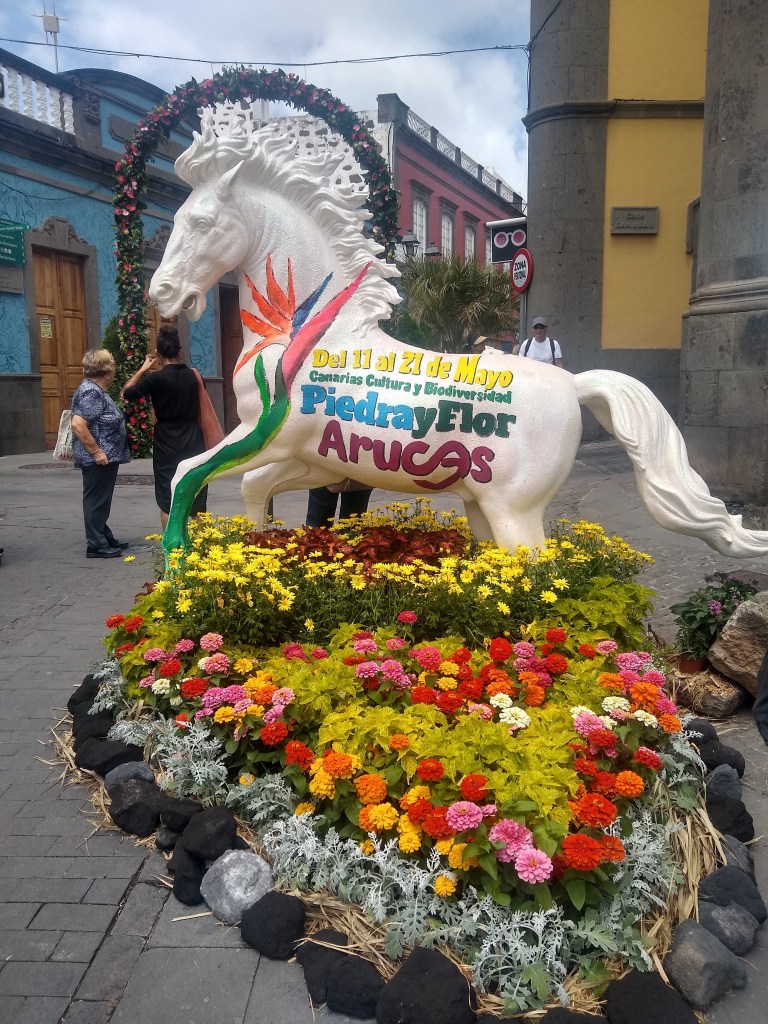
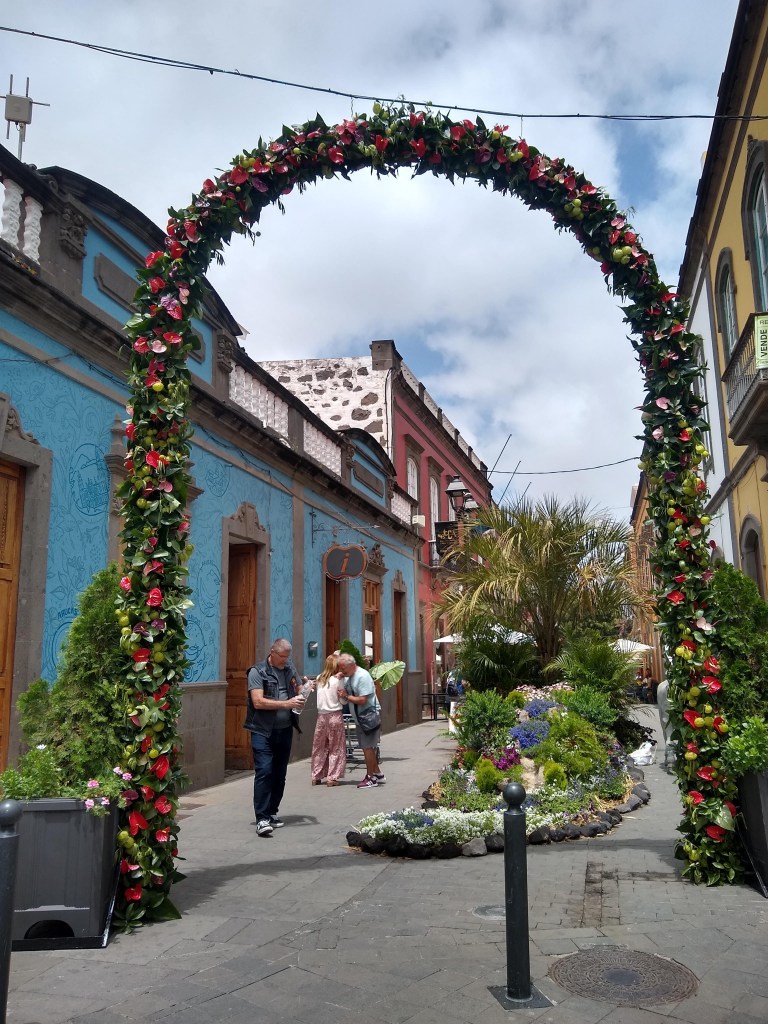
Every time I tried to join an event or a group, I wouldn’t be able to go. And then a bunch of my roommates started getting sick, and everyone in the apartment had to quarantine. Surprisingly, I didn’t get sick, but I still had to stay home.
Basically, I realized for the first time in my adult life how hard it is to make new friends.
In university, I didn’t have a lot of friends, but I was always surrounded by people in my classes and retail job. And I considered my colleagues my friends.
But now, any time I wanted to socialize, I realized I’d have to make an effort and go out. Except most of the times I tried to go out, I couldn’t due to the restrictions in place.
Eventually, when I came to Gran Canaria, I did end up making friends. I joined a church youth group after years of not attending church. They ended up being my family for two years, taking me in with no questions asked.

Making and keeping friendships depends on consistent action. I kept showing up to the youth group, even when I was dealing with my healing journey. Showing up week after week helped bring me wonderful friends who made Gran Canaria even more special.
Another way I found friends was sending a message in a WhatsApp group for English teachers, asking if anyone wanted to celebrate Thanksgiving. Four girls said yes, and the next thing you know, we were celebrating together, along with two friends from my church, and one girl from France.
And the even funnier part? Three out of four of us English teachers were vegetarians.
Somehow, we made the Thanksgiving dinner work, and we were having so much fun that we forgot to take pictures. We were all happy that someone had reached out to say something, and talked about the challenges of making friends abroad and as an adult.


And finally, one of my closest friends on the island is another English teacher in my program, who I finally met months after arriving to Gran Canaria. We’ve discovered we’ve had many similar experiences growing up, we’ve helped each other through a lot of things, and I consider him like an older brother.
We’re all hungry for human connection. I’ve learned to not be afraid and throw myself out there, because more often than not, people are seeking connection as well, especially abroad.
Which leads me to my third point . . .
3. Learn to be your own best friend.
Much of my life, until the past few years, has been inundated with self-loathing.
I couldn’t stand myself for most of my life. Everyone around me seemed to be so sure of themselves except me. I was either not “enough” – not pretty enough, not skinny enough, not smart enough, not outgoing enough – or “too much” of something – too shy, too out of touch with pop culture, too book-smart, too sensitive.
My coping mechanism? Being the best. In my mind, I figured that if I could be the best, then I wouldn’t have to compare myself to anyone anymore. Until I realized I still would.


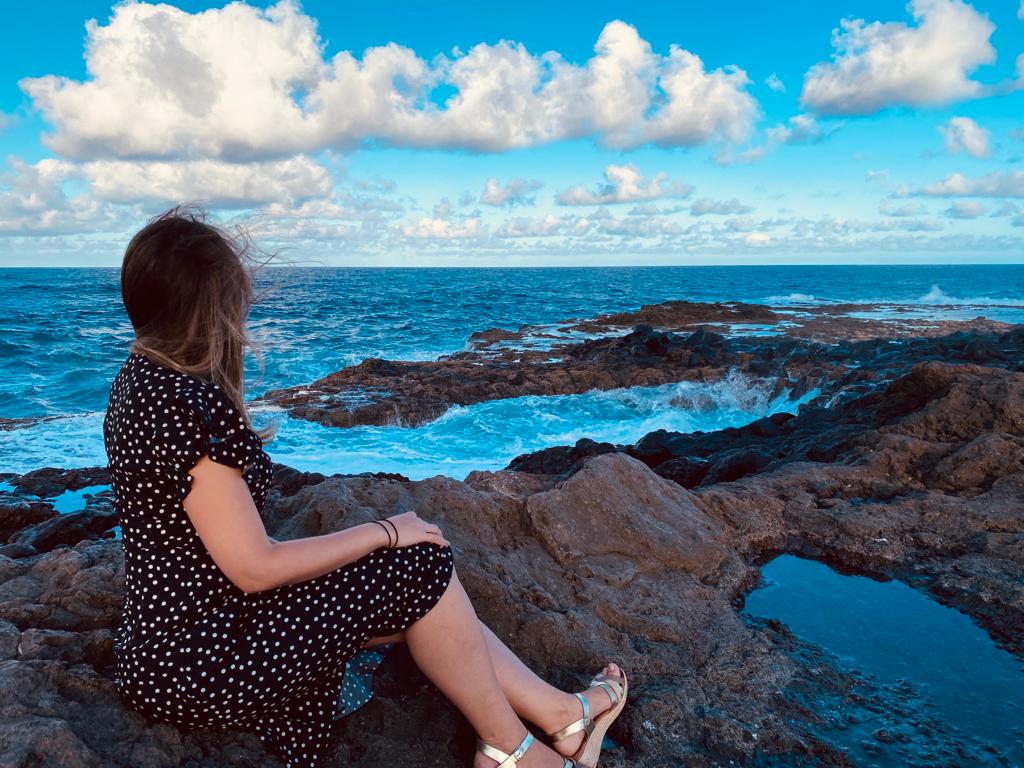
The problem is, no matter how good you are at something, at the end of the day, you still have to face yourself when no one else is around. And the mental chatter I had in my mind was outright mean. No matter how hard I worked, I was never good enough.
The period of solitude felt endless during my first year of teaching in a post-lockdown world. Somehow, subconsciously, I had realized, “If I’m going to be alone for the indefinite future, then I need to learn to live with myself.”
When I reflect on how I learned to stop my self-loathing, I can’t pinpoint on a technique I tried from a self-help book I read, or a therapist that helped me work through some kind of childhood trauma that explained my current thought patterns.
I did read a lot of self-help books during this time, and watched a lot of videos on the Law of Attraction; however, what helped me the most was simply doing things that made me happy.



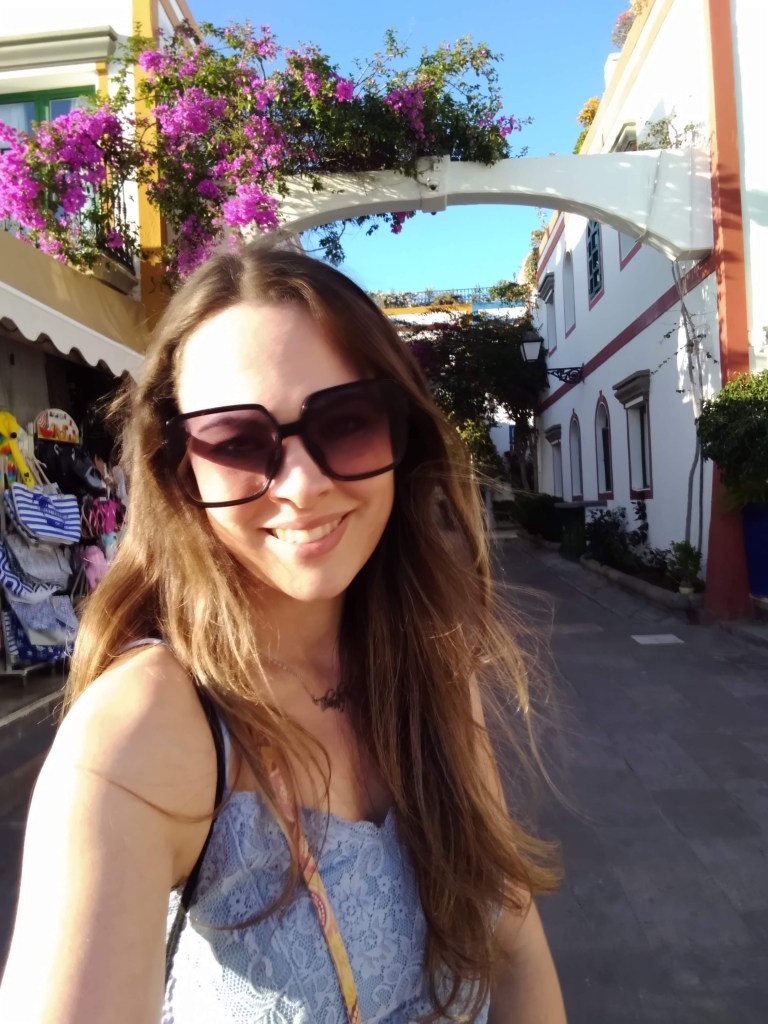

I treated myself as if I were my own best friend. I was all I had at this time. I traveled to the pueblos outside of Madrid. I went on solo coffee dates. I started painting again. I walked up and down the beautiful streets in Madrid and reminded myself what I had worked so hard for. I gave myself hope and reassurance on my hardest nights.
I began to love spending time on my own. I found inner peace. As I was overcoming this challenging period, the self-loathing faded away, and what remained afterward was my self-love and self-respect.
And while life will still bring you challenges, when you finally love who you are, and aim to creating a better version of yourself not to compare yourself to someone else, but because you love taking care of yourself, life feels so much lighter when you’re building yourself up.
4. If you’re going to do a Master’s degree, do it on an island next to the beach.
Because it’s going to be a lot more fun writing a 150-page thesis at a coffee shop under the palm trees, hearing the waves and feeling the ocean breeze, while wearing summer clothes all year long.

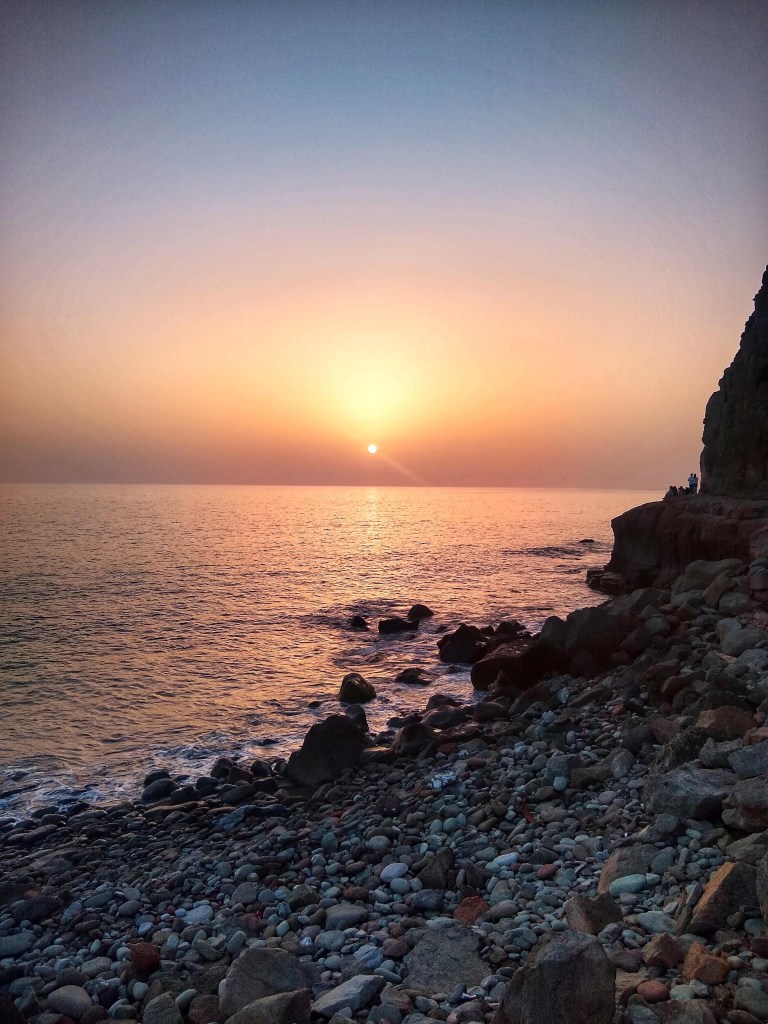
So, why did I leave Gran Canaria?
I accomplished everything I wanted to do while I was there.
Anti-climatic? Probably. But what else do you want me to tell you? Two years is enough time to see all the places I wanted to see and heal my soul.
On top of that, I missed continents. I was on an island the size of metro Detroit for two years, and was a three-hour flight from the nearest European city. I missed being able to take a train to somewhere else for the day or weekend.
Sure, I could have taken a bus to anywhere on the island, but even after the first year, I’d seen nearly everything.
And what I saw was beautiful.
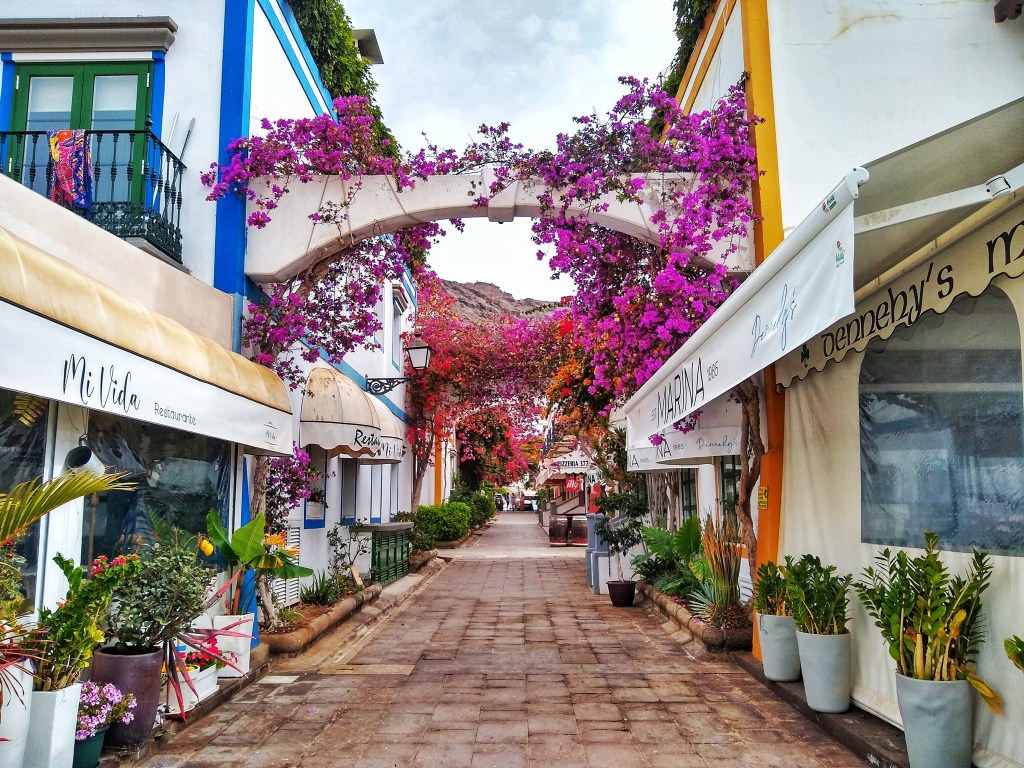


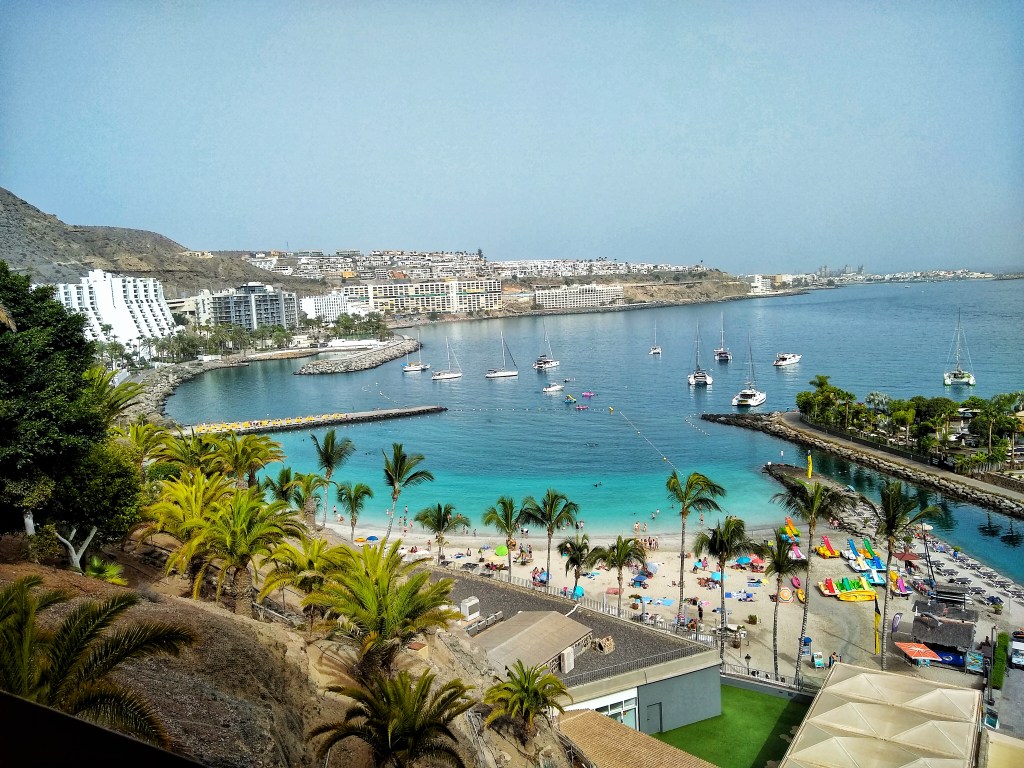


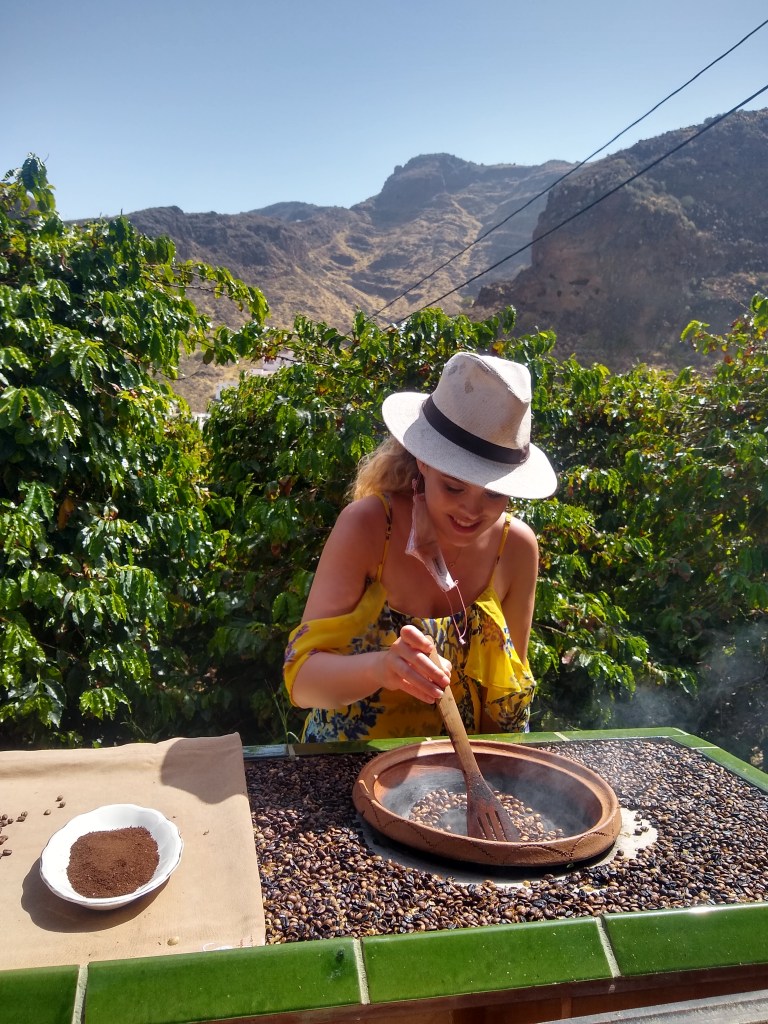
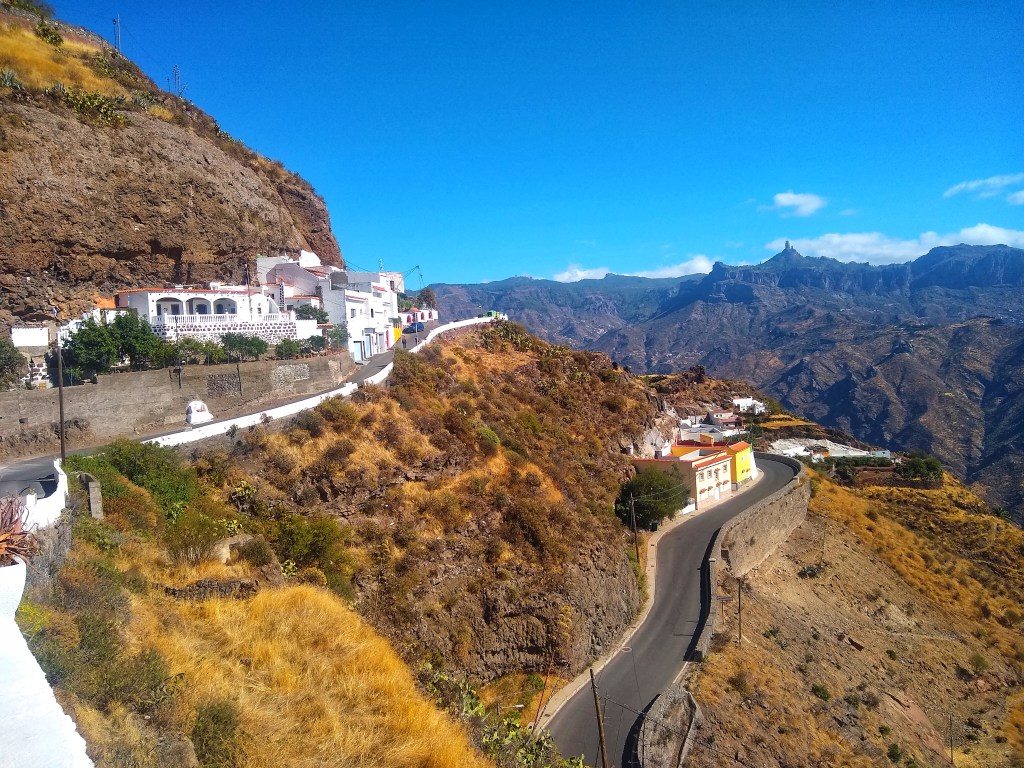
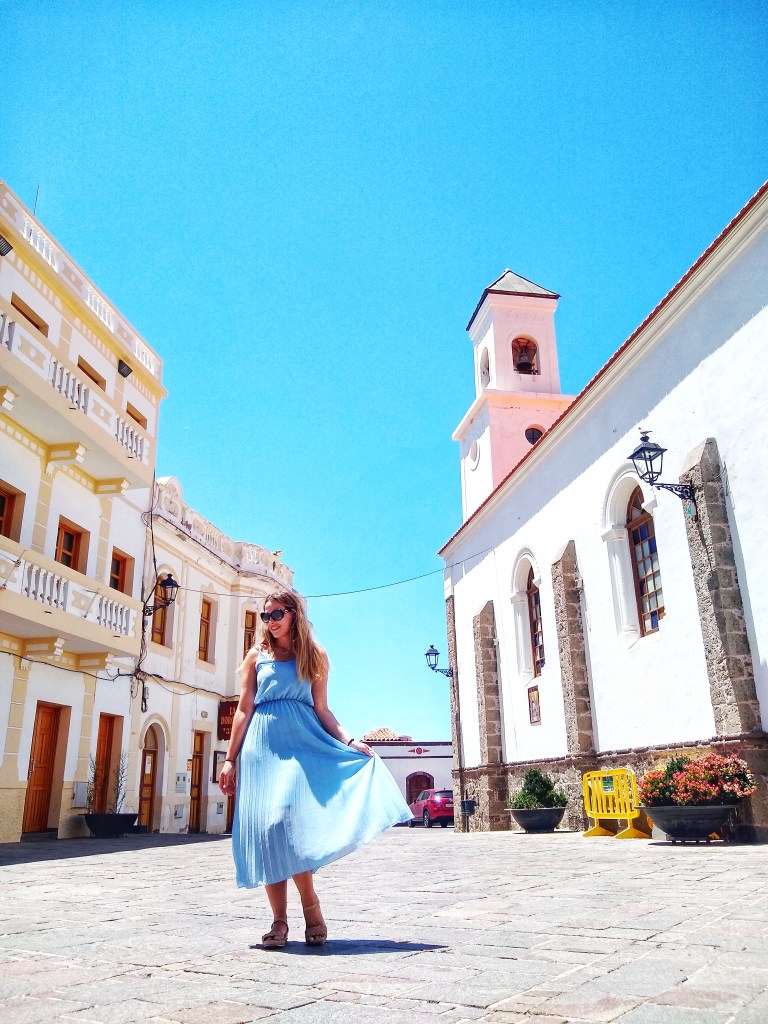
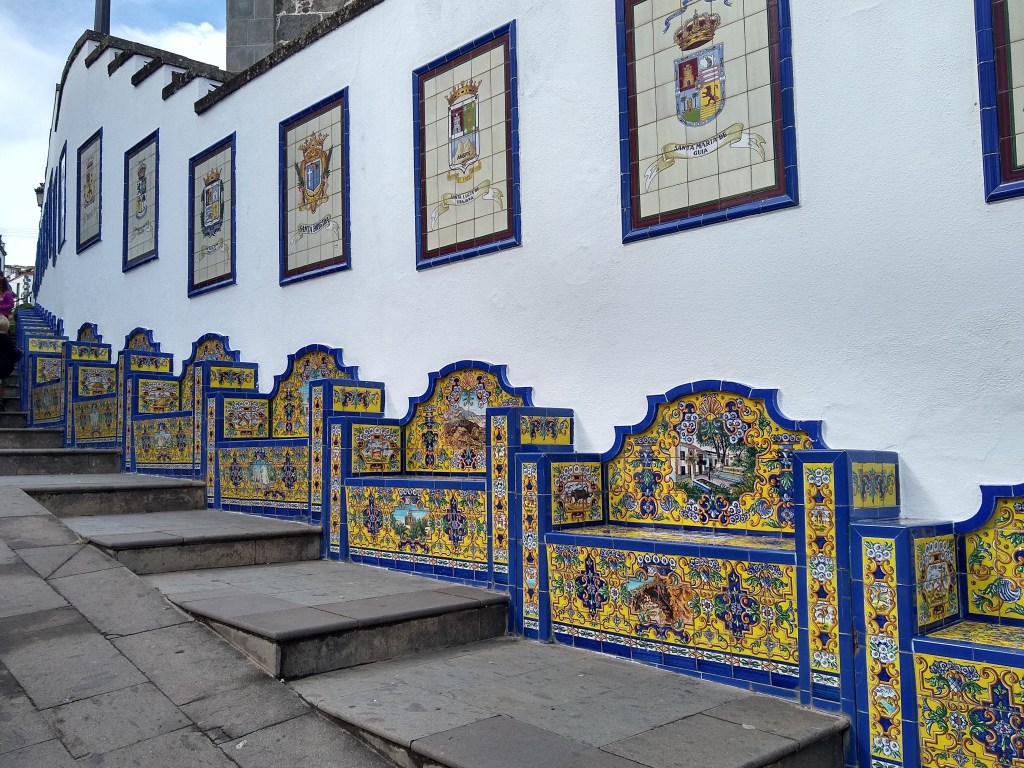

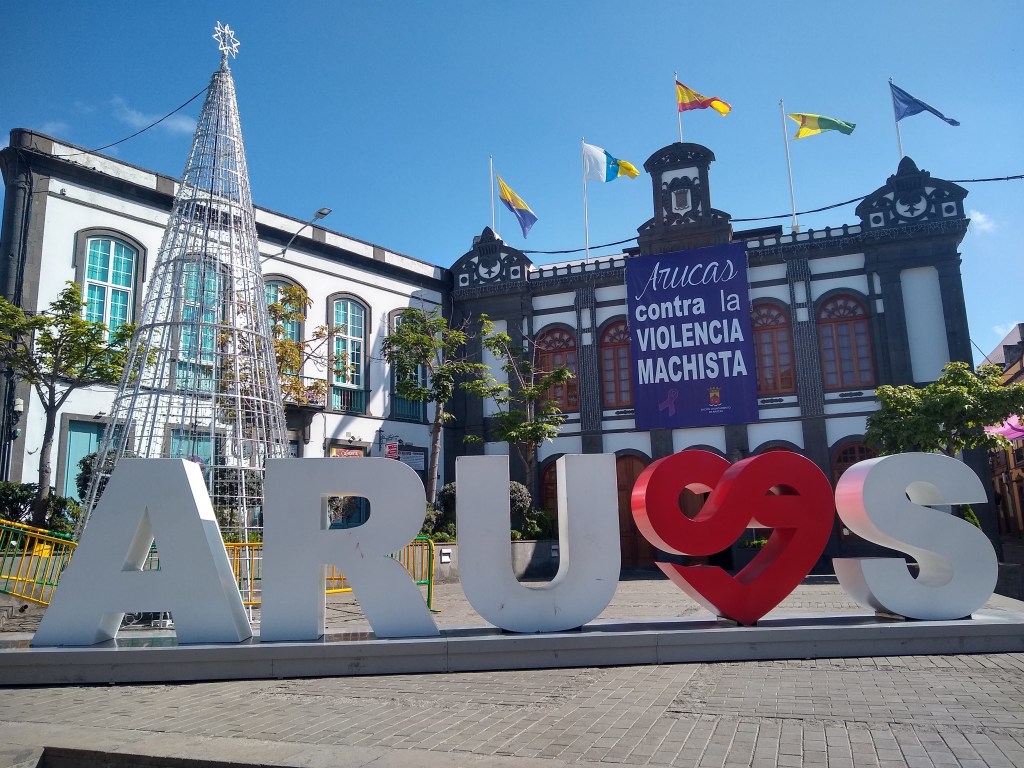
Two years ago, I cried while I got on the plane that took me from Madrid to Gran Canaria. Two years later, I cried while the plane took me back to Madrid.
I looked down at the neighborhood that was once my home, the first place where I ever lived alone.
I looked down at the beach I would visit almost every chance I could, the beach I looked at while writing my thesis at a café.
I looked down at the mountains, the rocky coastline, and the neighborhoods of the friends I’d met all over, some of which had driven me to the airport that very morning.
It was hard to leave.
But it was time.


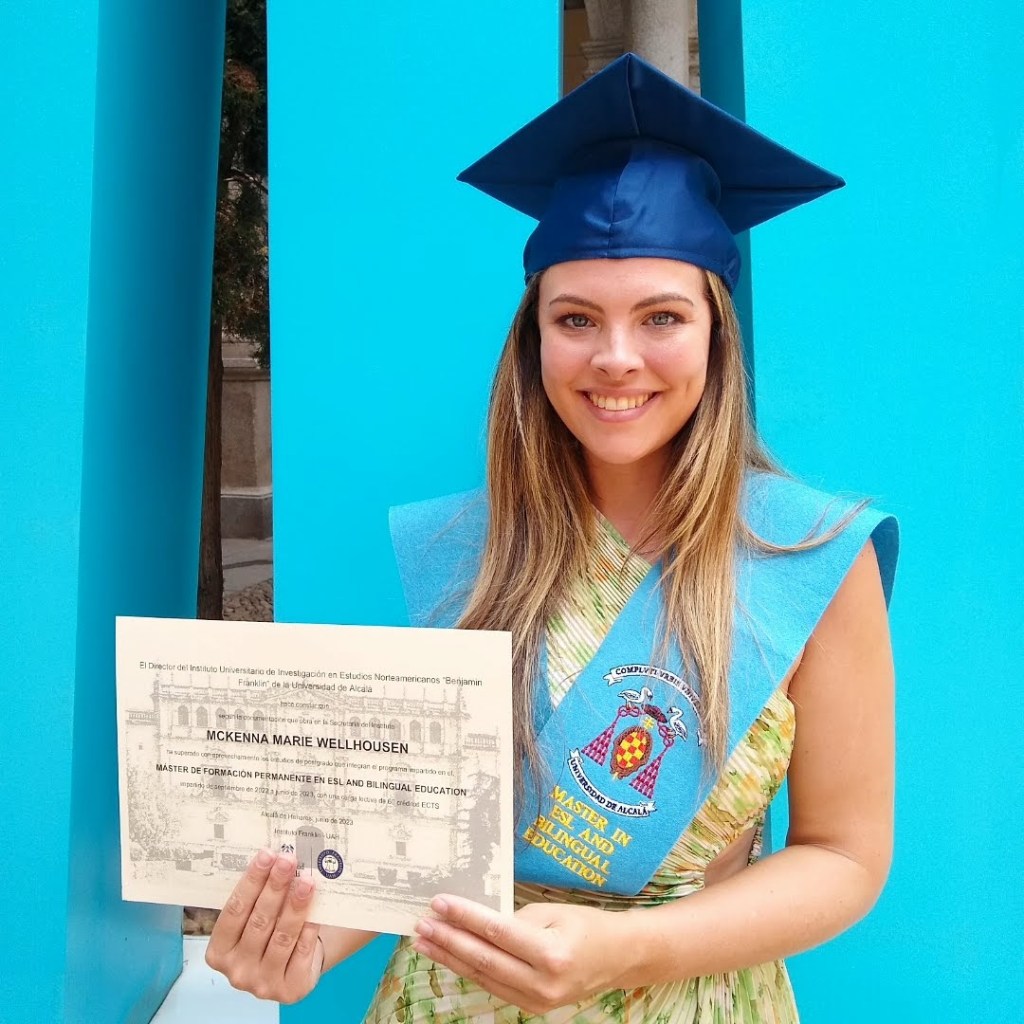
Gran Canaria, like all of the places where I’ve lived, will always be another home for me. I’m grateful I could spend two years living by the beach to heal my soul, and get a Master’s degree in the process.


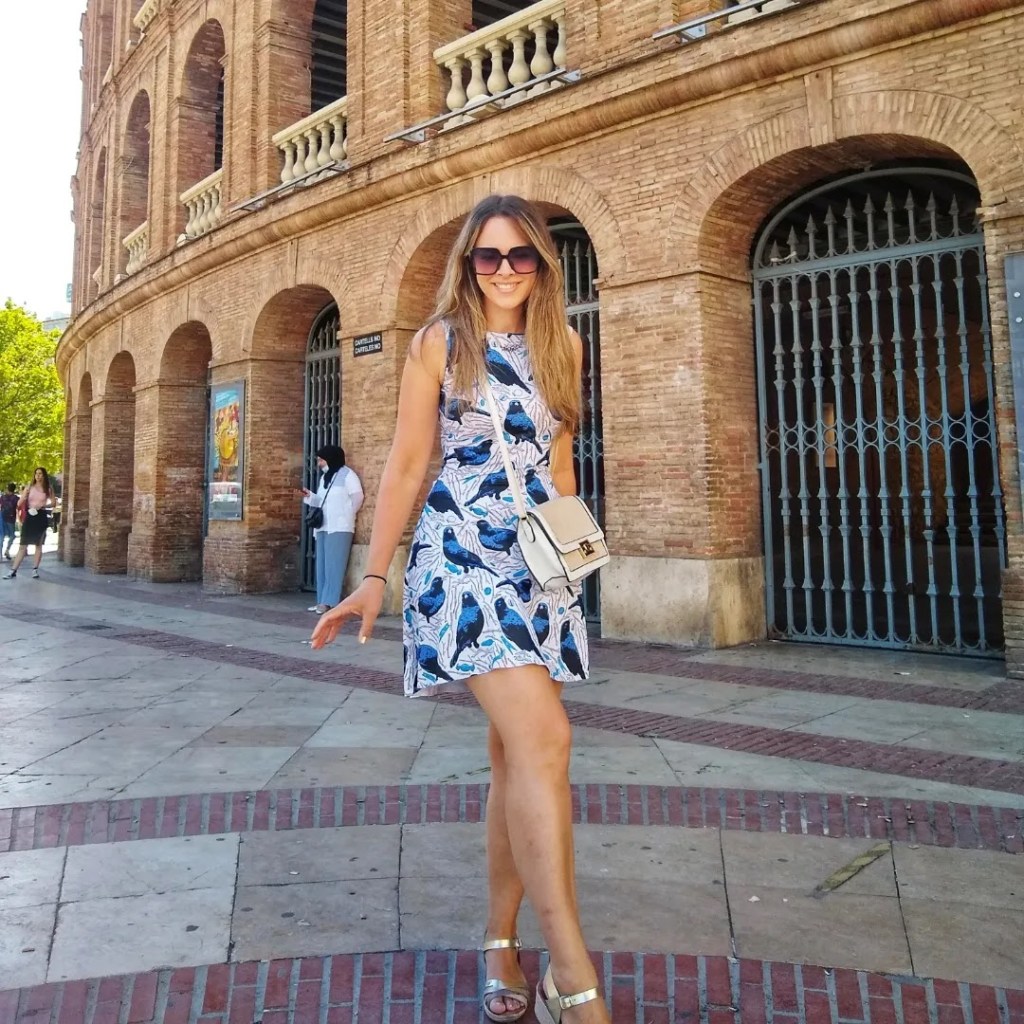
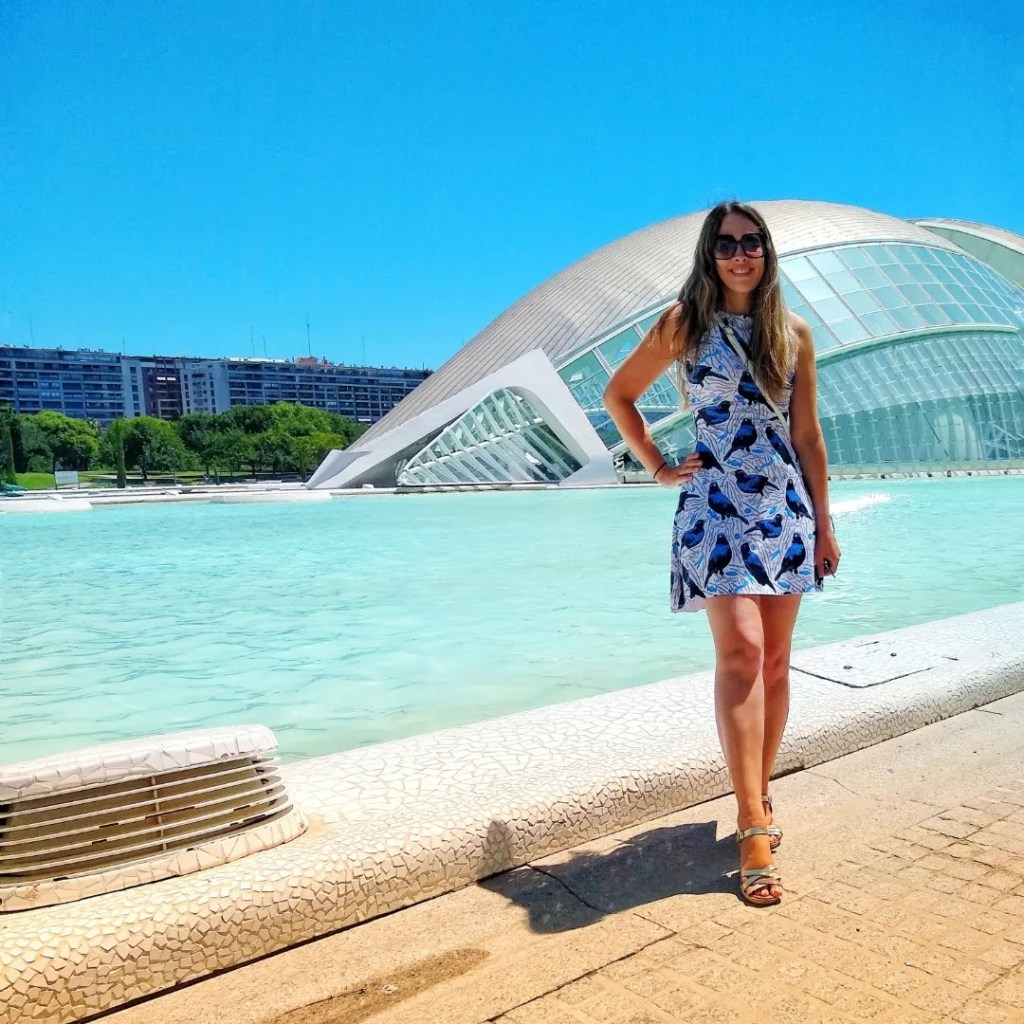
Now, onto the next continental adventure: Valencia!




 Inspired Around the World
Congratulations, Mckenna!!
Thanks for sharing!!🤗💕🎚
LikeLiked by 1 person
Great post. Now you are stronger and braver. Congratulations for your master’s degree. I am into manifesting too and it really works. 🤩 however I also think that God has a plan for us ! I hope you enjoy your time in Valencia ! Hugs.
LikeLiked by 1 person
I am living 10 years in the UK, originally from Sardinia, I am at a point 0 of my life, I have everything but I missed to travel, take time for myself for people around me, I missed the sea, the sun, sunsets, peace of mind..I was checking how it would be living in a place like Gran Canaria and I found your blog.I have been in Gran Canaria few months ago and I fell in love with, it reminds me my Sardinia. Thank you for sharing this experience, is very inspiring and I’m grateful I found this.
LikeLike
I felt hooked when reading. You sold me on your plot 🙂
Did you hike to Guigui beach?
LikeLike